Home / Science / Roman Roads: Not All Lead to Rome, Study Finds
Roman Roads: Not All Lead to Rome, Study Finds
22 Sep
Summary
- Nearly 190,000 miles of Roman roads were analyzed across continents.
- Constantinople, now Istanbul, was a key travel hub after the 4th century.
- Maritime travel was the Roman Empire's primary transportation network.
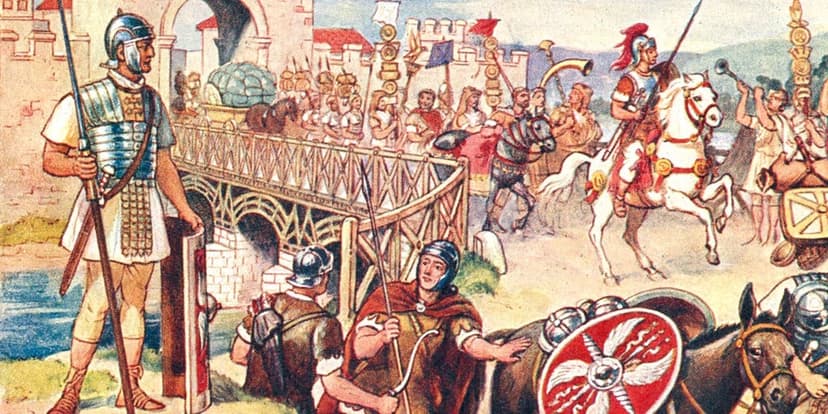
A comprehensive study of approximately 190,000 miles of ancient Roman roads across Europe, the Middle East, and North Africa has reshaped our understanding of the empire's infrastructure. The research indicates that Rome was not the sole central point, with provincial capitals playing significant roles in connectivity.
Following Emperor Constantine's designation of Constantinople as the imperial capital in the fourth century A.D., this city emerged as a critical hub for overland travel due to its strategic location. This finding complicates the long-held proverb that "all roads lead to Rome."
While Rome remained the seat of political and military power, the study suggests its road network's centrality is often overstated. Experts note that maritime routes constituted the primary transportation network for the Roman Empire, being more economical for transporting goods than its extensive, though impressive, road system.


