

Home / Science / Ancient Pincer Fossil Rewrites Chelicerate History
Ancient Pincer Fossil Rewrites Chelicerate History
1 Apr
Summary
- Fossil discovery pushes chelicerate origins back over 500 million years.
- Prominent pincers on specimen confirm early chelicerate lineage.
- Newly named species *Megachelicerax cousteaui* adds to early diversity.
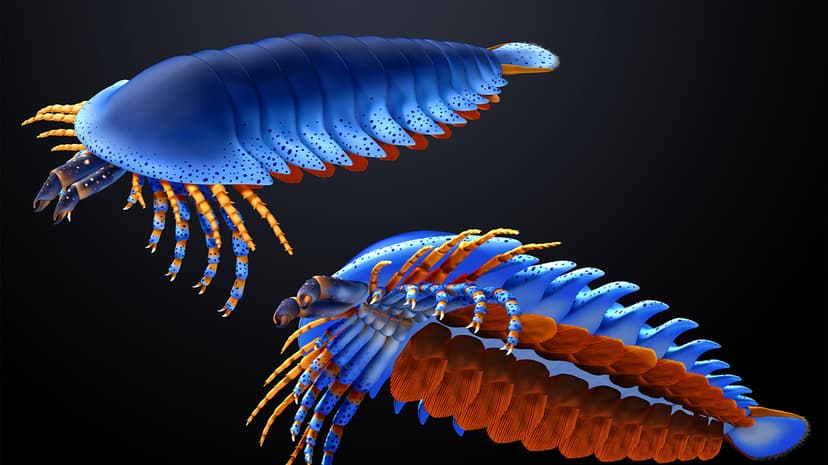
A fossil specimen unearthed decades ago in Utah is providing new insights into the earliest ancestors of chelicerates, a diverse group including spiders, scorpions, and horseshoe crabs. Researchers have determined that this fossil, dating back approximately 507 million years to the Middle Cambrian period, suggests chelicerates existed much earlier than previously thought.
The fossil, named *Megachelicerax cousteaui*, was discovered in Utah's Wheeler Formation and notably features a pair of large, pincer-like appendages. These 'chelicerae' are the defining anatomical feature of the chelicerate group. Scientists consider the presence of these formidable pincers on the specimen to be definitive evidence of its chelicerate lineage.
Prior to this research, the oldest confirmed chelicerate fossils were from the Early Ordovician period, around 485 million years ago. The complexity of those fossils hinted at an earlier origin, but clear evidence of pincers was scarce from the intervening Cambrian period. The *Megachelicerax cousteaui* fossil, with its distinct pincers and other features resembling modern chelicerates like book gills, strongly supports their existence in the Cambrian seas.
While another Cambrian fossil, *Mollisonia plenovenatrix* from Canada, has also been proposed as an early chelicerate, the distinct pincers of the Utah specimen are seen by some researchers as more conclusive proof of the group's ancient presence. The discovery highlights the early diversity of chelicerates, suggesting their anatomical blueprint was established by the Middle Cambrian, well before their eventual colonization of land.

