Home / Science / Alzheimer's Breakthrough: New Study Targets Blood Flow
Alzheimer's Breakthrough: New Study Targets Blood Flow
7 Feb
Summary
- Researchers activated a protein to improve brain blood flow in Alzheimer's mice.
- Improved blood flow is crucial for combating early Alzheimer's symptoms.
- This study offers hope for new Alzheimer's therapeutic strategies.
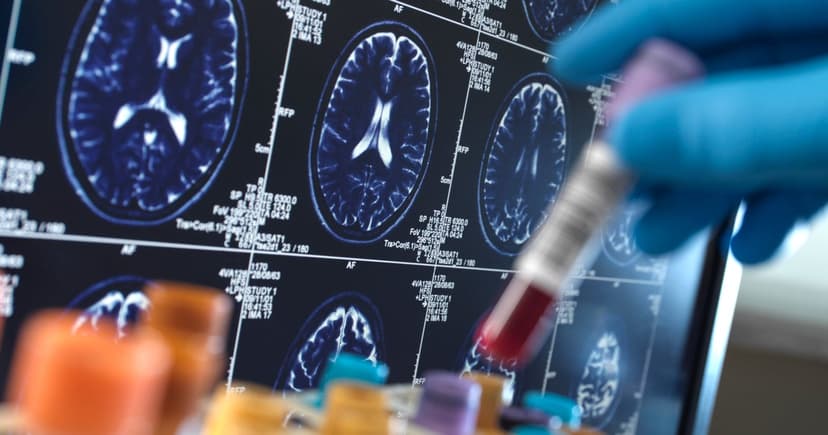
University of Miami researchers have made a significant stride in Alzheimer's treatment by successfully improving cerebrovascular function in a mouse model of the disease. Published in December 2025, the study focused on activating Piezo1, a protein found in blood vessels. This activation led to improved microvascular flow and neurovascular coupling, addressing early features of Alzheimer's that contribute to its progression.
The research team, comprising Ph.D. students Supriya Chakraborty and Zeynad Tabrizi, utilized pharmacological methods to enhance functional hyperemia, a vital increase in blood flow to the brain and muscles. Their findings suggest this approach holds substantial promise as a therapeutic strategy for humans suffering from Alzheimer's.
Chakraborty's path to neurodegenerative research was inspired by immunology, while Tabrizi brought her prior experience in neuroscience and immunology from Iran to the project. Both researchers emphasized the profound impact their work could have, not only for patients but also for their families and caregivers, aiming to aid in battling the disease on multiple fronts.