Home / Science / AI Maps Emotions: Fear and Anger Feel Alike
AI Maps Emotions: Fear and Anger Feel Alike
11 Mar
Summary
- AI creates an emotion map based on brain activity.
- Pleasantness and bodily reactions define emotion axes.
- Mental health issues may alter emotion representation.

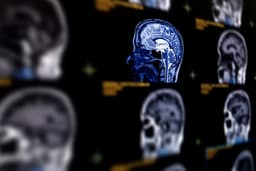
An artificial intelligence has been employed to analyze brain imaging data, leading to the creation of a novel 'mental map' that illustrates how humans process various emotions. This groundbreaking map organizes emotions along axes of pleasantness and bodily reactions, charting the brain's responses to film clips.
The research revealed distinct groupings in the brain's representation of emotions, with negative feelings like guilt, anger, and disgust in one area and positive emotions such as happiness, satisfaction, and pride in another. This mapping helps clarify why emotions like fear and anger elicit similar physiological responses and subjective unpleasantness.
This new understanding has significant implications for mental health research. Scientists are exploring how this mental map might differ in individuals with depression and anxiety, noting that more differentiated emotional representation is linked to better health outcomes. Future research aims to study these differences and track the map's development over time.
Previously, another study mapped how 14 common emotions physically impact the human body, showing where sensations are felt. For instance, fear is felt in the chest, while happiness is a full-body sensation, and anger affects the arms.