Home / Science / Ageing Reversed? Scientists Reset Cellular 'Order'
Ageing Reversed? Scientists Reset Cellular 'Order'
27 Jan
Summary
- Cells lose coordinated gene activity, not just wear out.
- Restoring gene activity made old cells function like young ones.
- Mouse liver tissue showed health improvements after intervention.
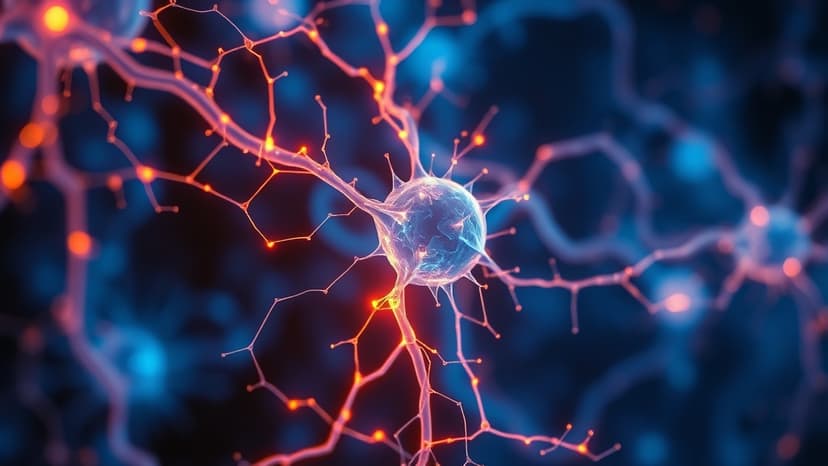
Researchers have discovered that ageing cells may lose their internal order and coordinated gene activity rather than simply wearing out. A study published in the Journal Proceedings of the National Academy of Sciences revealed that by restoring this internal cellular order, old cells could regain functions associated with youth. This groundbreaking work, led by scientists at the University of California, San Francisco, focused on identifying master regulator proteins, known as transcription factors.
By adjusting the activity of four key transcription factors, researchers observed aged human fibroblasts dividing more readily and exhibiting gene expression patterns similar to younger cells. These cells remained fibroblasts but operated with significantly improved efficiency, a critical distinction that avoids the risks of identity loss or increased cancer potential seen in other rejuvenation methods. These findings suggest a potential future where ageing decline might be slowed or partially reversed by resetting cellular control systems.
Further experiments in elderly mice demonstrated that this intervention could improve whole-tissue health. Specifically, restoring the activity of a single transcription factor led to reduced liver fat, less fibrotic scarring, and better glucose metabolism, making the liver tissue function more like that of younger animals. This suggests that the mechanism of restoring gene regulation could be broadly applicable across different biological systems and species.
This research challenges the view of ageing as solely irreversible damage, supporting a growing idea that ageing involves a loss of cellular organization. By targeting existing transcription factors to restore balance, this new strategy offers a potentially safer and more controllable approach than previous cell reprogramming methods. While early-stage, the research focuses on improving healthspan—the period of functional tissue and organ health—rather than dramatically extending lifespan.