
Home / Science / Brain's 'Disappointment Chemical' Discovered
Brain's 'Disappointment Chemical' Discovered
16 Jun
Summary
- Acetylcholine may be crucial for adapting to disappointment.
- Mice showed 'lose-shift' behavior after increased acetylcholine.
- Inhibiting acetylcholine led to more rigid, less adaptable mice.
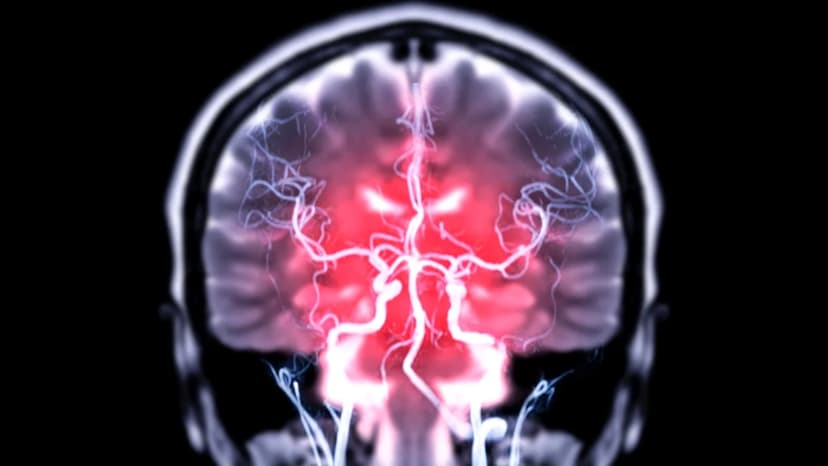
A recent study has uncovered a potential mechanism for behavioral flexibility, the way individuals adapt to disappointment and changing circumstances. Researchers discovered that the neurotransmitter acetylcholine may be pivotal in this process, particularly in how mammals break habits and adjust their actions. Experiments with mice revealed that when faced with unexpected changes in a familiar reward-seeking task, increased acetylcholine release in specific brain areas correlated with a 'lose-shift' behavior, where the mice were more likely to alter their choices.
Further investigation demonstrated that inhibiting acetylcholine production led to more rigid behavior, with mice less inclined to try new tactics even after clear failures. This suggests acetylcholine acts as a crucial signal, nudging the brain back to reassess and adapt. While acetylcholine is not the sole driver of behavioral flexibility, its role, particularly in brain regions like the striatum, appears significant. These findings could offer insights into neurological disorders characterized by difficulties in habit breaking, such as addiction and obsessive-compulsive disorder.
