
Home / Science / May's Full Flower Moon Blooms: A Celestial Doubleheader
May's Full Flower Moon Blooms: A Celestial Doubleheader
2 May
Summary
- The Flower Moon peaks on May 1, appearing orange at dusk.
- May features two full moons, including a rare Blue Moon on May 30.
- Halley's Comet debris will create meteors in early May.
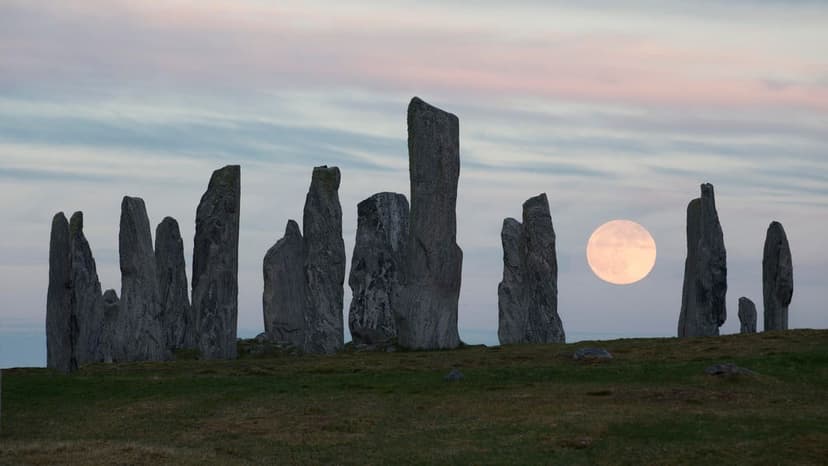
The month of May 2026 is set to be a spectacular display in the night sky. The Full Flower Moon, named for spring's abundance, will reach its zenith on May 1. Visible at dusk, atmospheric scattering will give it an orange hue as it ascends.
This Full Flower Moon marks the first of two full moons gracing May 2026, an unusual occurrence that creates a Blue Moon on May 30. The year 2026 itself hosts 13 full moons due to the lunar and solar calendar mismatch.
Beyond the full moons, early May offers the Eta Aquarid meteor shower, peaking on the night of May 5-6. These fast meteors originate from debris shed by Halley's Comet. Later in the month, a new moon on May 16 will be followed by a slender crescent near Venus on May 18.
The Blue Moon on May 30 will be the smallest full moon of 2026. The year concludes with a total solar eclipse on August 12 and supermoons in November and December.
