feedzop-word-mark-logo
searchLogin
Feedzop
homeFor YouIndiaIndia
You
bookmarksYour BookmarkshashtagYour Topics
Trending
trending

Gold prices reach record highs

trending

Harry Kane rescues Bayern draw

trending

Mbappé scores, Madrid beats Alaves

trending

Dhurandhar beats Hindi film records

trending

Bangalore cold wave continues

trending

Railways plans for pay commission

trending

India vs South Africa live

trending

Suns face injury concerns

trending

Heavy rain alert issued

Terms of UsePrivacy PolicyAboutJobsPartner With Us

© 2025 Advergame Technologies Pvt. Ltd. ("ATPL"). Gamezop ® & Quizzop ® are registered trademarks of ATPL.

Gamezop is a plug-and-play gaming platform that any app or website can integrate to bring casual gaming for its users. Gamezop also operates Quizzop, a quizzing platform, that digital products can add as a trivia section.

Over 5,000 products from more than 70 countries have integrated Gamezop and Quizzop. These include Amazon, Samsung Internet, Snap, Tata Play, AccuWeather, Paytm, Gulf News, and Branch.

Games and trivia increase user engagement significantly within all kinds of apps and websites, besides opening a new stream of advertising revenue. Gamezop and Quizzop take 30 minutes to integrate and can be used for free: both by the products integrating them and end users

Increase ad revenue and engagement on your app / website with games, quizzes, astrology, and cricket content. Visit: business.gamezop.com

Property Code: 5571

Home / Lifestyle / Nations Remake Identities: Why Countries Change Their Names

Nations Remake Identities: Why Countries Change Their Names

14 Dec

•

Summary

  • Nations change names for independence, cultural shifts, or political reasons.
  • Sri Lanka, Myanmar, and Iran are notable examples of recent name changes.
  • Name changes reflect evolving national identity and global presentation.
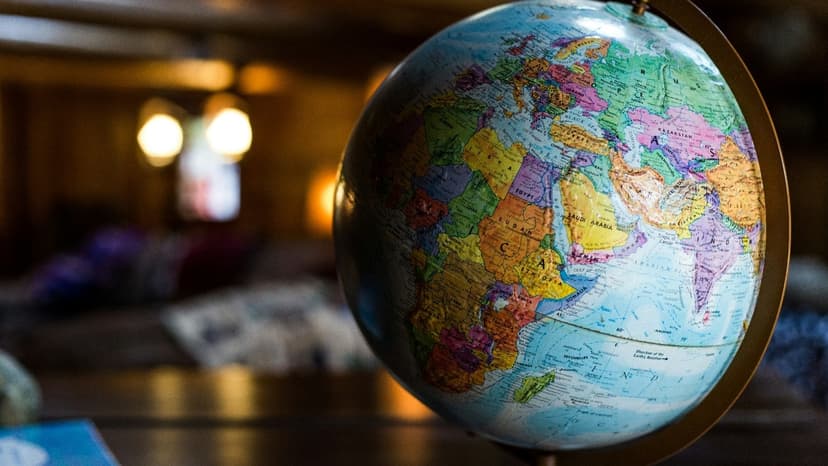
Nations Remake Identities: Why Countries Change Their Names

Countries adopt new names to signify profound shifts, whether marking independence, embracing cultural identity, or responding to political realignments. This practice highlights how nations consciously reshape their global presentation, often erasing colonial legacies or forging distinct modern personas.

Notable transformations include Sri Lanka shedding its colonial name Ceylon in 1972, and Myanmar officially adopting its new name in 1989 following significant political changes. Eswatini's 2018 rebranding from Swaziland aimed to honor its SiSwati language and avoid confusion with Switzerland.

Further examples like North Macedonia's name change in 2019 to resolve a dispute with Greece, or Iran's adoption of its local name in 1935, illustrate the strategic and symbolic power of national nomenclature. These shifts collectively underscore a nation's ongoing narrative and its self-determined place in the world.


Disclaimer: This story has been auto-aggregated and auto-summarised by a computer program. This story has not been edited or created by the Feedzop team.
Sri Lanka changed its name from Ceylon in 1972 to reflect its local identity and signify the end of British colonial rule.
Before being internationally recognized as Trkiye, the country was widely known as Turkey.
Countries change names to mark independence, reflect cultural identity, signal political shifts, or align with local languages and heritage.

Read more news on

Lifestyleside-arrowSri Lankaside-arrowIranside-arrow

You may also like

Bali's Paradise Lost? New Gems Emerge

11 Dec • 23 reads

article image

NephroPlus IPO: Dialysis Giant Plans Global Leap

4 Dec • 69 reads

article image

Asia Floods Kill 1,350+, Warming Planet Fuels Disasters

3 Dec • 113 reads

article image

Beyond Europe: Asia's Most Breathtaking Rail Journeys

1 Dec • 84 reads

article image

Tiger Trafficking Surges: Whole Animals Seized Globally

25 Nov • 161 reads

article image