Home / Lifestyle / The 'Wasian' Moment: Celebration, Controversy, Growth
The 'Wasian' Moment: Celebration, Controversy, Growth
8 Sep
Summary
- New vernacular terms like 'Wasian' emerge for mixed Asian identities.
- Asians are fastest-growing racial group in the U.S., with many multiracial.
- Large Wasian meetups spark celebration and backlash over inclusivity.
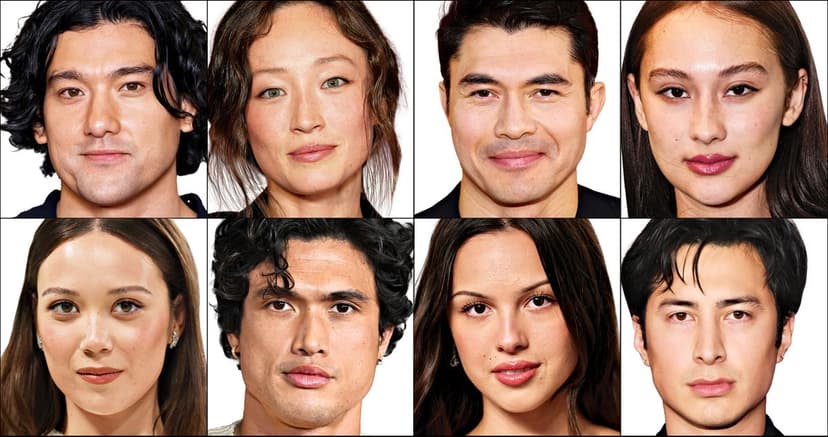
The term 'Wasian,' combining white and Asian identities, has gained traction as a label for a growing demographic in the U.S. This linguistic shift mirrors a broader demographic trend: the Asian population is the fastest-growing major racial group, with multiracial individuals, particularly those of white and Asian heritage, significantly increasing. Recent large-scale meetups in cities like New York and San Francisco have celebrated this emerging identity, attracting thousands of attendees. These events, however, have also ignited discussions and backlash concerning inclusivity and the definition of mixed-Asian identity, highlighting the complex evolution of contemporary Asian American experiences.
The 'Wasian' moment has seen increased visibility in popular culture, with notable figures in entertainment, sports, and music embracing their mixed heritage. Events like a recent Central Park meetup aimed to foster a sense of community, drawing a large, young, and diverse crowd. Despite the celebratory nature of these gatherings, they faced criticism for potentially excluding other mixed-race Asian combinations and for perceived exclusivity. This has led to deeper conversations about identity, representation, and the nuances of belonging within the broader Asian diaspora.
Sociologically, the rise of 'Wasian' identity can be viewed as a step in the assimilation process for Asian Americans, marked by increasing socioeconomic success and intermarriage rates. However, it also signifies a generation actively seeking to define and celebrate their unique heritage. The visibility of mixed-Asian individuals in media and culture is a key aspect of this phenomenon, challenging traditional notions of Asian identity and paving the way for a more inclusive understanding of representation. The ongoing dialogue surrounding these events underscores the dynamic nature of identity formation in a diversifying America.


