Home / Lifestyle / The Dark & Strange Origins of Valentine's Day
The Dark & Strange Origins of Valentine's Day
14 Feb
Summary
- Ancient Rome celebrated a pagan fertility festival called Lupercalia.
- St. Valentine's Day evolved from martyrs' feast to romance.
- Modern Valentine's Day is a multi-billion dollar global industry.
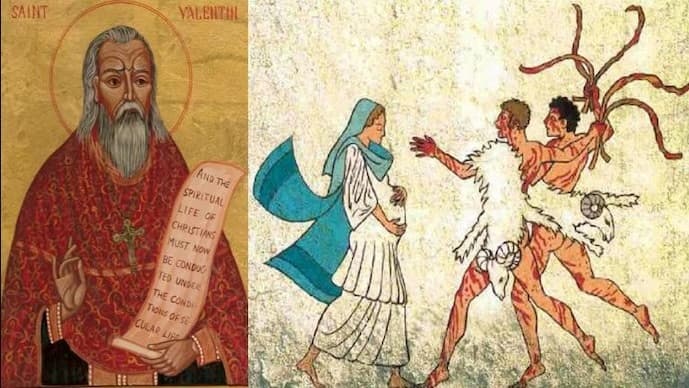
Valentine's Day, celebrated today with romantic gestures, began with a much stranger and darker history. Ancient Rome observed Lupercalia, a pagan fertility festival held from February 13 to 15, involving sacrifices and rituals for fertility and purification.
Pope Gelasius I condemned Lupercalia in 496 AD, but the direct link to Valentine's Day replacing it is debated. Early Christian records mention at least three martyrs named Valentinus who died around February 14 in the third century, but none of their initial accounts mentioned romance.
The romantic notion of Valentine's Day emerged later, notably in medieval England and France. This connection was popularized by writers like Geoffrey Chaucer, who linked the feast day to bird mating season, and William Shakespeare, whose works further cemented the date with romantic longing.
By the 15th century, messages like those from Charles, Duke of Orleans, and Margery Brews show the romantic meaning was established. The tradition expanded through handwritten notes and tokens in Britain by the 17th and 18th centuries, with mass production of cards beginning in the US in the 1840s.
Today, Valentine's Day is a significant global commercial holiday. In the US, spending surpassed $25 billion in 2023-24. It is the second-largest card-sending holiday after Christmas, driven by a multi-billion dollar industry encompassing gifts, dining, and travel.