Home / Lifestyle / Trieste's El Pedocin: A Wall of Tradition and Freedom
Trieste's El Pedocin: A Wall of Tradition and Freedom
18 Sep
Summary
- El Pedocin, Europe's last gender-segregated beach, maintains separate entrances.
- A recent tourist complaint about segregation led to a 50% rise in ticket sales.
- Locals view the beach as a symbol of freedom and female emancipation.
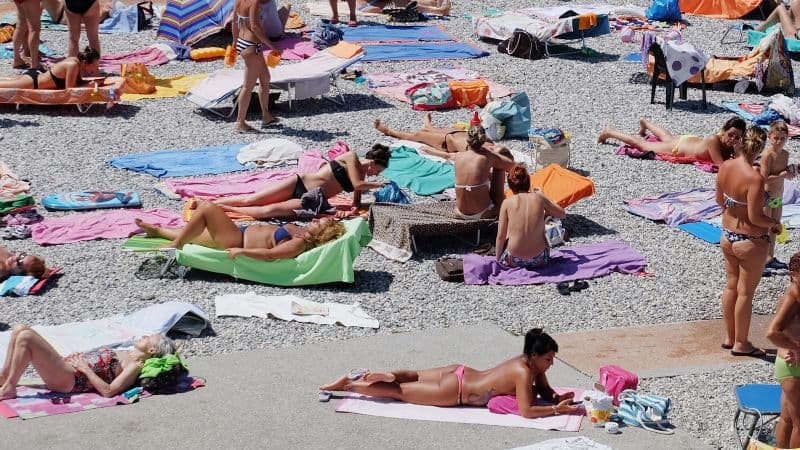
Trieste's El Pedocin, Europe's last gender-segregated beach, upholds a unique tradition dating back to the late 19th or early 20th century. Opened around 1903, when Trieste was part of the Austro-Hungarian Empire, the beach enforces strict gender separation with distinct entrances and areas for men and women.
This practice, initially common, persisted in Trieste due to the city's history of female emancipation and a local culture that values outdoor activity. Locals view El Pedocin not as segregation, but as a symbol of freedom and personal space, particularly for women who appreciate a respite from the male gaze.
Recently, a tourist's complaint about the beach's rules garnered international attention. Paradoxically, this publicity led to a significant increase in visitor numbers, with ticket sales rising by over 50% in the summer of 2026 compared to the previous year. Many visitors, including port workers on their lunch breaks, appreciate the beach's serene atmosphere and sense of community.
Despite the modern perception of segregation, Triestini overwhelmingly wish to preserve El Pedocin as it is, seeing it as an eccentric but cherished part of their city's identity and history. For them, the beach represents liberty and a unique cultural fusion, a stark contrast to the criticism it has faced.


