Home / Lifestyle / Syria's Ramadan: A Feast of Unique Traditions
Syria's Ramadan: A Feast of Unique Traditions
28 Feb
Summary
- Syrian Ramadan features unique pre-month rituals like 'Hajjat Ramadan' shopping and copper pot polishing.
- The 'Bedna nebayyda' ritual involves consuming numerous yoghurt-based dishes at the start of the month.
- Many modern restaurants in Syria close for the first half of Ramadan for maintenance.
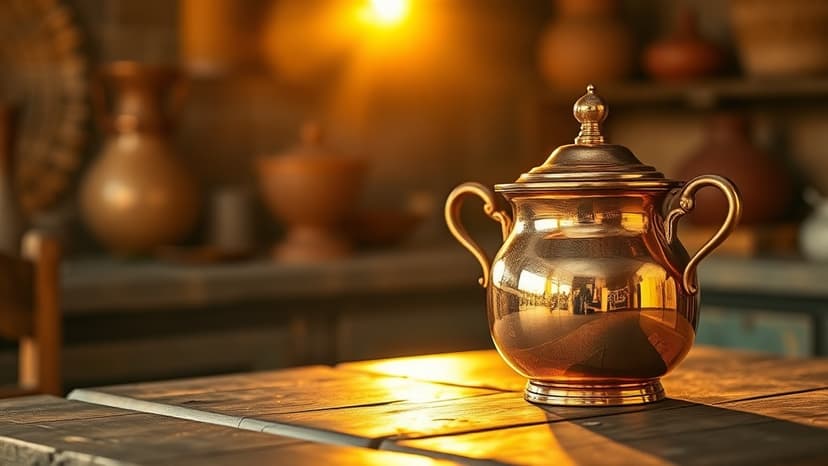
Syrian Ramadan traditions weave a rich cultural fabric, blending spiritual devotion with distinctive social and sacred customs. Even before the month's official start, a unique energy fills markets with 'Hajjat Ramadan,' a collective stocking-up ritual. Families also embrace the tradition of buying new or polishing copper cookware, believing it brings blessings, while some rural areas practiced 'whitening of the walls' for symbolic purity.
The firing of the Ramadan cannon, a practice dating back to Mamluk and Ottoman eras, serves as a unifying sound across the nation. Following this, the 'Bedna nebayyda' or 'whitening the table' ritual commences, where the initial days of Ramadan are dedicated to an extensive array of yoghurt-based dishes like shakriyeh and kibbeh labaniyeh. This culinary practice is rooted in the belief that lighter, yoghurt-rich meals ease the stomach after fasting.
As the month progresses, iftar tables brim with diverse juices and sweets unique to each governorate, such as Homs' tamriyyeh and Aleppo's cotton candy. Notably, many modern restaurants in Syrian cities observe a period of closure during the first 15 days of Ramadan, utilizing this time for maintenance and upgrades.
Social solidarity flourishes through 'al-skabeh,' the exchange of prepared dishes between neighbors, strengthening community bonds. Public banquets, 'Mawaed al-Rahman,' once a hallmark of shared meals, have evolved due to economic hardship, shifting towards discreet food basket distributions to those in need. Evenings during Ramadan remain lively, with family gatherings continuing late into the night, a testament to enduring traditions.