Home / Lifestyle / Arctic's Edge: Life's Temporary Home
Arctic's Edge: Life's Temporary Home
14 Jan
Summary
- Svalbard residents must leave for childbirth and burials.
- The archipelago is governed by Norway under an international treaty.
- Its transient population reflects research, tourism, and mining industries.
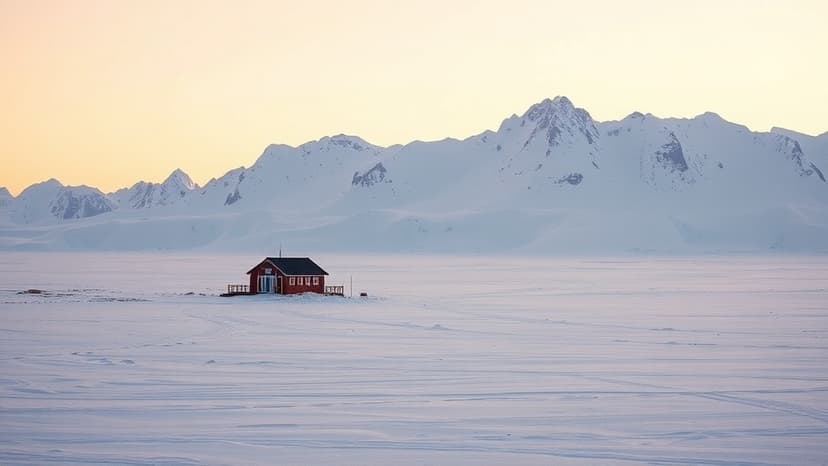
Svalbard, an Arctic archipelago governed by Norway, operates under an international treaty, creating a unique settlement not designed for permanence. Its policies reflect environmental limits, with residents required to leave for childbirth and burials, pragmatic responses to permafrost and the need for specialized medical care.
Approximately 2,500 people from 50 nations reside in Svalbard, primarily in Longyearbyen. This transient population is drawn by opportunities in research, tourism, and mining, facilitated by the Svalbard Treaty which allows citizens of signatory countries visa-free entry and work.
Life on Svalbard unfolds under extreme conditions, from months of darkness to continuous summer daylight. The archipelago's transient nature and focus on self-sufficiency highlight a distinct model of human adaptation at the edge of the habitable world.