Home / Lifestyle / Sexy Dressing: The Pendulum Swings Back
Sexy Dressing: The Pendulum Swings Back
29 Jan
Summary
- Sexy dressing has shifted from revealing styles to more demure ones.
- Younger generations view revealing outfits as vulgar, not sexy.
- Political shifts and online rhetoric influence fashion choices.
The definition of 'sexy' in fashion has dramatically evolved, moving from the bold statements of the 2010s, exemplified by Rihanna's iconic 'naked dress' in June 2014, to a more reserved aesthetic. This shift, observed over the past few years, has led to a significant rise in modest fashion choices, with Google searches for such dresses increasing by 30% since 2022. Brands and retailers have responded by offering floor-length gowns and more conservative fits.
This evolution has sparked debate, with many noting that what was once considered sexy is now often perceived as vulgar, particularly by younger generations. The 'male gaze' has been frequently cited as a reason for this reevaluation of revealing clothing. Influences such as the rise of 'tradwife' aesthetics and the prevalence of negative online discourse, including slut-shaming rhetoric, have contributed to a more buttoned-up approach to dressing.
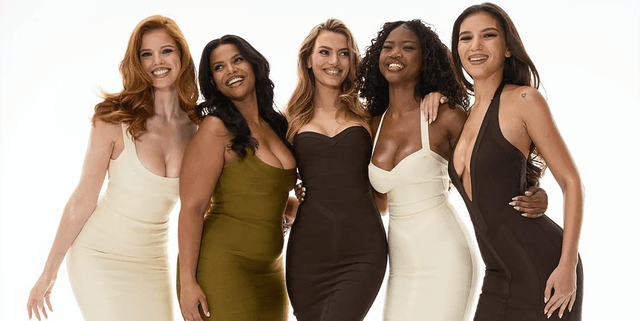
However, there is a growing sentiment that this trend is reversing. Experts predict that 2026 will mark a return to embracing sexy dressing, with brands reintroducing styles like bandage dresses and movements like 'free the nipple' gaining traction. The article suggests that sexiness is a powerful form of self-expression and body celebration, emphasizing that true sexy dressing should be inclusive and multifaceted, allowing for a duality in personal style.