Home / Lifestyle / Senior Drivers: When to Hand Over the Keys?
Senior Drivers: When to Hand Over the Keys?
17 Dec
Summary
- No set age exists for mandatory driving cessation.
- Drivers 70+ are more likely to crash than younger adults.
- Public transit access is critical for seniors' independence.
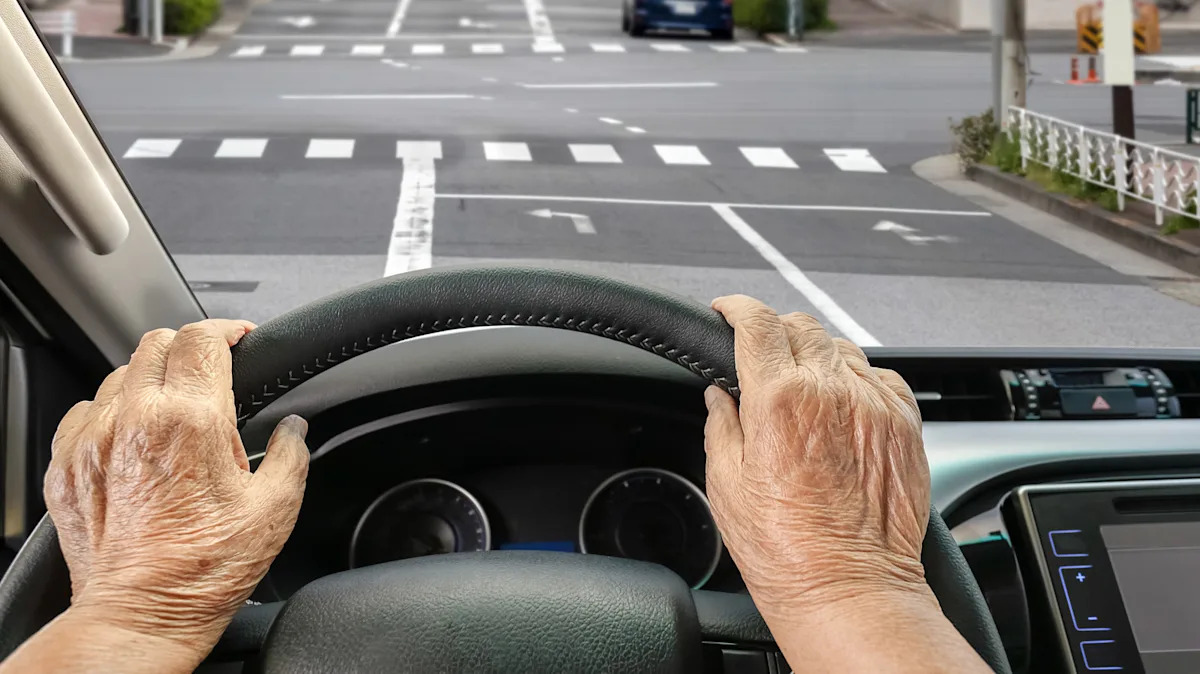
Determining when an aging relative should cease driving requires a personalized assessment rather than a strict age cutoff. Factors such as sensory decline, personal finances, and emotional attachment to driving play significant roles. While many seniors drive longer than advisable, data indicates that drivers over 70 face increased accident risks, similar to young adults.
Experts suggest observing warning signs like frequent honking from other drivers or mysterious vehicle damage as indicators of potential issues. State licensing requirements vary, with some mandating vision tests or in-person renewals for older drivers, while others have more stringent medical evaluation needs at certain ages or when relocating.
With the baby boomer generation aging, the number of senior drivers is projected to increase significantly. This demographic shift underscores the importance of accessible public transportation and community support systems, as many seniors live in car-dependent areas with limited transit options, making the decision to surrender car keys particularly challenging.