Home / Lifestyle / Quilts of Social Change: Ruth Bond's Artful Rebellion
Quilts of Social Change: Ruth Bond's Artful Rebellion
6 Mar
Summary
- Ruth Bond designed avant-garde T.V.A. quilts in the 1930s.
- These quilts depicted stylized silhouettes of African Americans.
- They transformed quilts from utilitarian items to social commentary.
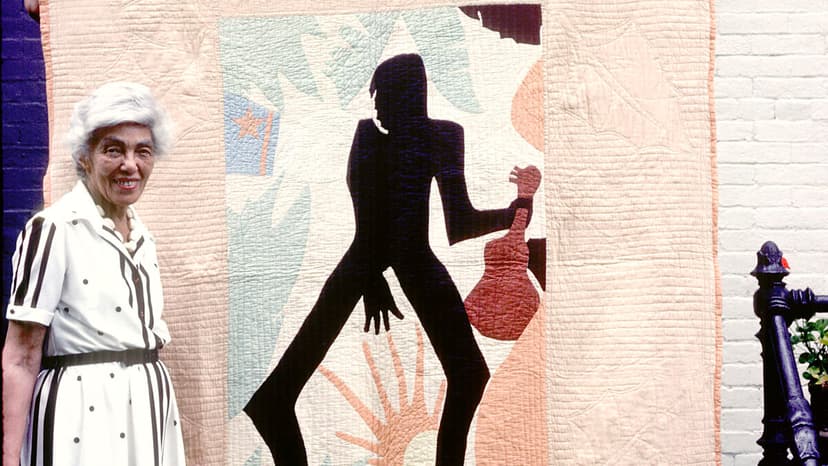
Ruth Clement Bond, an educator and civic leader, significantly impacted American art by elevating quilts from mere bed coverings to works of social commentary. Her innovative designs, known as the T.V.A. quilts, were created in the mid-1930s.
These dynamic quilts were meticulously sewn by the wives of African-American workers involved in the Tennessee Valley Authority dam projects in rural Alabama. Unlike traditional quilt patterns, the T.V.A. quilts featured bold, modern designs with solid-colored fabrics appliquéd to stark backgrounds.
The quilts presented stylized, dynamic silhouettes of Black individuals, drawing comparisons to the art of Henri Matisse and Aaron Douglas. Bond, who had an academic background and no prior quilting experience, developed the project to engage the women in a productive and artistic endeavor.
Bond's project began when her husband was stationed in northern Alabama. She initiated a home beautification program, encouraging the women to create decorative items. Many were skilled quilters, leading to the creation of these unique quilts that celebrated the opportunities afforded to Black Americans under the New Deal.
One quilt famously depicted a man torn between temptation and a secure government job, while another showed a powerful black fist clutching a lightning bolt, symbolizing rural electrification. These quilts have been exhibited nationally and featured in notable books on quiltmaking.
Later in her life, Bond continued her international work in education and with various women's and youth groups across different continents. She also remained active in civic leadership, including a fact-finding mission in West Africa for the National Council of Negro Women.