Home / Lifestyle / Royalty's Secret: Wigs Hid Syphilis Epidemic
Royalty's Secret: Wigs Hid Syphilis Epidemic
22 Jun
Summary
- Massive wigs were originally a cover-up for syphilis-related hair loss.
- King Louis XIV's 17-year-old hair loss led to the wig's popularity.
- The French Revolution and a tax ended the wig trend abruptly.
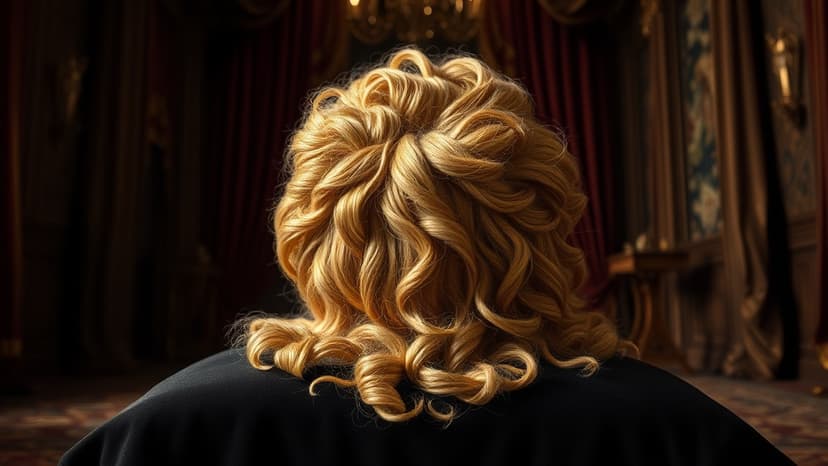
In 16th-century Europe, long, thick hair signified status. However, a widespread syphilis epidemic caused significant hair loss, forcing victims to hide their condition with early wigs. These were initially a shameful secret.
King Louis XIII of France's premature balding led him to commission elaborate wigs, but his son, Louis XIV, truly popularized them. Terrified of image damage, he created the towering "peruke," a trend quickly adopted by European royalty and aristocracy.
These "bigwigs" became the ultimate status symbol, with larger wigs signifying greater wealth. Beyond covering balding, wigs also offered a solution to rampant lice infestations among the elite by allowing shaved heads and boiled wigs.
By the late 18th century, wigs evolved into the shorter, white styles seen on figures like George Washington, achieved by dusting with white starch and often scented.
The wig era concluded abruptly due to two major events: the French Revolution, which associated wigs with the aristocracy, and a 1795 British tax on hair powder, leading the elite to abandon wigs for natural hair.


