

Home / Lifestyle / Route 66: 100 Years of American Dreams
Route 66: 100 Years of American Dreams
8 Apr
Summary
- Route 66 celebrates its 100th anniversary this year.
- The road offered sanctuary and economic opportunities.
- It faced decommissioning but is now a historic highway.
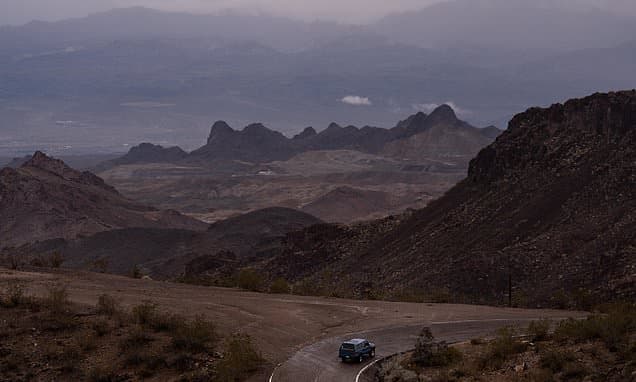
Route 66, often called the 'Mother Road,' marks its centennial anniversary this year, a century after its designation in November 1926. This historic 2,400-mile highway, connecting Chicago to Santa Monica, California, was originally conceived to link the industrial Midwest with the Pacific Coast.
Initially a collection of trading routes and dirt roads, Route 66 quickly became a symbol of hope and prosperity. It served as a vital pathway for Dust Bowl migrants seeking new lives and facilitated troop movements during World War II. Its post-war heyday saw it flourish as a popular vacation route, embodying freedom and adventure.
Beyond its promise of new beginnings, Route 66 played diverse roles. It was an economic boon for Native American tribes, though it also left scars of land appropriation. For Black travelers during segregation, it was a route requiring careful navigation, with safe havens like the Threatt Filling Station offering respite.
Though decommissioned as a federal highway in 1985, Route 66's spirit endures. Preservation efforts by local communities and historians have revitalized sections of the road, attracting international tourists. Today, over 250 of its sites are on the National Register of Historic Places, celebrating its unparalleled cultural impact.
