Home / Lifestyle / Winter Radiator Secret: The Frost Setting You Need
Winter Radiator Secret: The Frost Setting You Need
3 Dec
Summary
- Use radiator frost setting to prevent pipes from freezing in cold weather.
- Setting radiator dials to two or three maintains comfort while saving money.
- Frost setting protects unused rooms and plumbing from extreme cold.
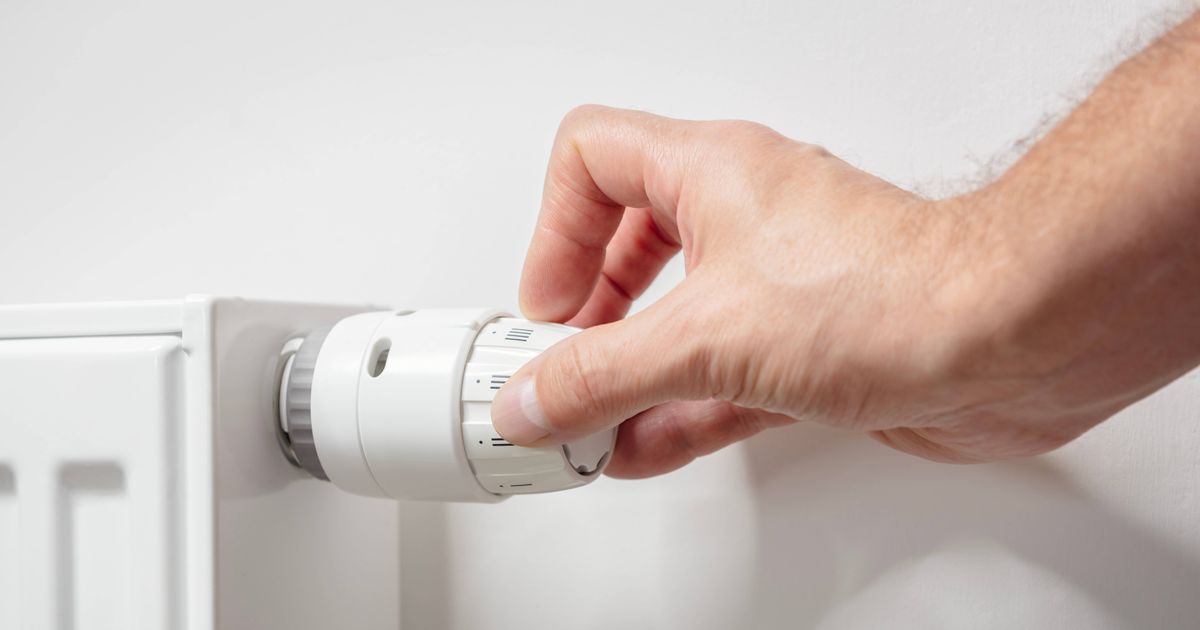
With winter's arrival, radiators are working harder, making efficient operation essential. Experts highlight a critical, often overlooked, radiator setting: the frost protection mode. This feature, indicated by a snowflake symbol, is designed to prevent internal pipes from freezing by allowing minimal hot water flow when temperatures drop significantly, typically below 7°C. Activating this setting is vital for avoiding costly pipe bursts and safeguarding plumbing in colder months.
For regularly used rooms, experts recommend setting radiator valves between two and three. This range maintains a comfortable 15-20°C and contributes to lower energy bills. Turning the dial higher, especially to five, is only advised for rooms needing rapid heating or those housing the main thermostat. Over-reliance on the highest setting across all radiators can lead to unnecessarily high heating costs.
The frost setting offers an energy-saving solution for rarely used areas like spare bedrooms or garages, preventing them from becoming excessively cold. It's particularly beneficial for households planning to be away for extended periods during winter, ensuring pipes remain protected without unnecessary heating. This precautionary measure is distinct from the 'off' setting and can prevent significant damage and expense.