Home / Lifestyle / Olympic Burnout: Top Athletes Speak Out
Olympic Burnout: Top Athletes Speak Out
22 Feb
Summary
- Olympic athletes experience burnout after peak success.
- Young workers report high rates of stress-related absence.
- Burnout stems from unmanageable workloads and societal pressures.
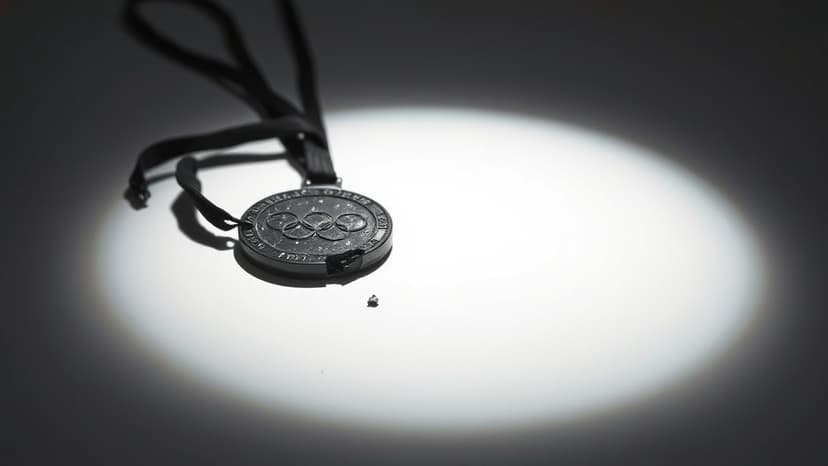
Laviai Nielsen, a Team GB sprinter, revealed that even after winning Olympic medals, she experienced severe burnout, describing it as an "unnatural" feeling that made daily tasks exhausting.
This personal struggle highlights a growing issue among young people. A report from Mental Health UK indicated that 39% of young workers aged 18 to 24 took time off in 2025 due to poor mental health caused by stress.
Burnout, defined as "physical, mental and emotional exhaustion," can develop over extended periods. Factors like uncertain job markets and the increasing threat of AI in entry-level roles exacerbate these pressures for those aged 18-24.
University students also face burnout, struggling to find graduate-level jobs after intense study, often leading to low-paid, non-career-oriented roles. Mimi Abbas, a Bristol graduate, shared her experience of six months of difficult job applications post-graduation.
Dr. Becca Salmon, who quit her NHS job due to burnout, took six months to a year to recover. Her story resonated widely, demonstrating that burnout does not have to be an endpoint.
Clinical psychologist Dr. Claire Plumley notes that while burnout is not new, it is being discussed more openly. She emphasizes that rest is a necessity, not laziness, a sentiment echoed by athletes prioritizing balance and well-being.