Home / Lifestyle / Blind Commuter's Fall Highlights NYC Transit Gaps
Blind Commuter's Fall Highlights NYC Transit Gaps
5 Mar
Summary
- Worn tactile strips led to a blind commuter's near-fatal fall onto subway tracks.
- NYC's transit system remains largely inaccessible over 35 years after ADA.
- Technology offers new ways to navigate, but physical infrastructure is key.
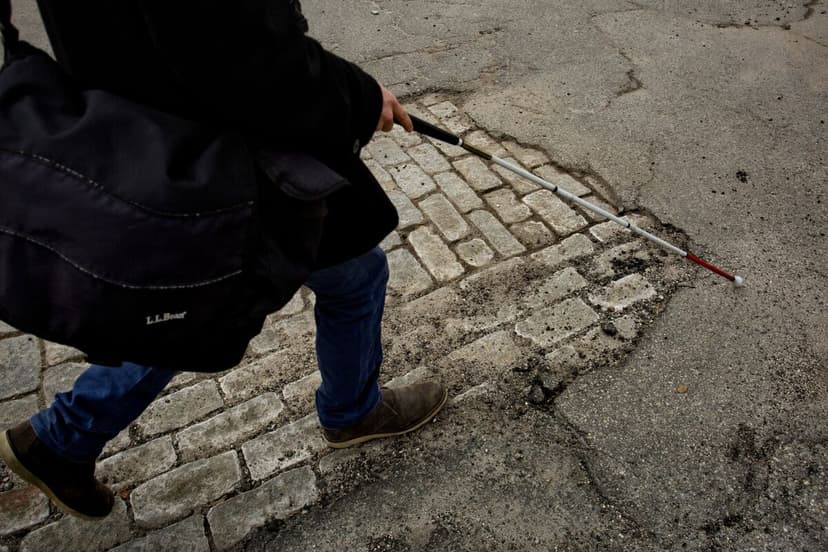
A critical subway platform flaw in September 2015 led to a near-fatal incident for Sharon McLennon Wier, a visually impaired commuter in New York City. The worn tactile strips, designed to warn of platform edges, failed, causing her to fall towards the tracks. This event underscores the persistent accessibility challenges faced by New York's over 200,000 visually impaired residents, transforming the city's built environment into a threat rather than a support.
More than 35 years after the Americans With Disabilities Act, approximately two-thirds of the NYC subway system remains inaccessible. Many underground stations, dating back to the early 20th century, present hazardous environments with narrow platforms and steep stairwells. While technological advancements like AI-powered apps are aiding navigation, advocates emphasize that physical infrastructure, such as correctly maintained tactile paving and audible crossing signals, is paramount for independent mobility.
Disability rights organizations have long advocated for safer streets, pushing for improvements like ADA-compliant curb cuts and increased elevator installations in subway stations. Lawsuits and court mandates have often served as catalysts for progress, such as the New York City Department of Transportation's record installation of audible signals. However, funding remains a significant barrier to comprehensive accessibility upgrades across the transit network.
Global cities like Tokyo, Singapore, and Sydney have implemented more advanced accessibility features, including extensive tactile paving and Braille signage, showcasing a more inclusive approach to urban design. In contrast, many US cities, including Seattle, grapple with systemic barriers rooted in an ableist society, where car-centric planning exacerbates transit challenges for non-drivers and those with disabilities. Advocacy remains crucial to ensure policymakers prioritize universal access for all citizens.