
Home / Lifestyle / Nath: India's Nose Ring's Ancient Middle Eastern Roots
Nath: India's Nose Ring's Ancient Middle Eastern Roots
6 Jun
Summary
- The Indian nose ring originated in the Middle East over 4,000 years ago.
- Nose rings symbolized wealth and status among ancient nomadic tribes.
- Ayurveda suggests left nostril piercing aids childbirth and menstrual pain.
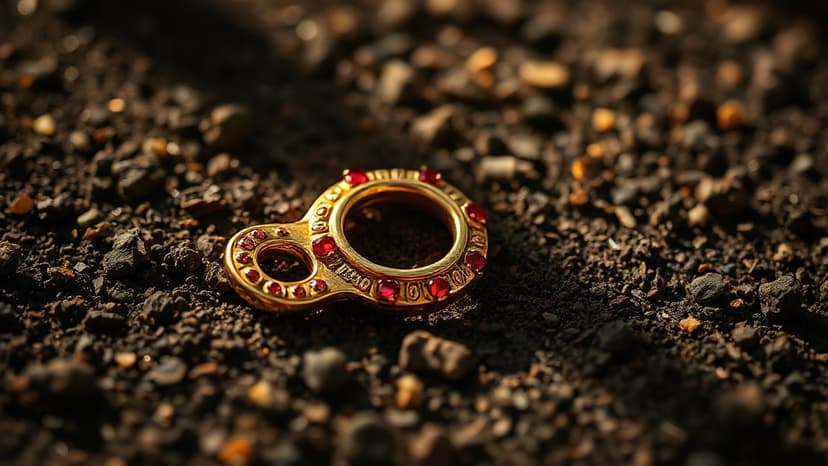
The iconic Indian nose ring, known as the nath, possesses a history rooted in ancient Middle Eastern traditions, predating its widespread adoption in India.
Emerging from the Middle East approximately 4,000 years ago, nose ornaments were first associated with nomadic tribes, symbolizing wealth, social standing, and eligibility for marriage.
This tradition reached India during the mediaeval period, influenced by Persian and Mughal cultures between the 13th and 16th centuries. Over time, the nath integrated into Indian society, with distinct regional styles developing, such as the crescent-shaped Brahmani Nath in Maharashtra and large, embellished naths in Punjab, a bridal wear staple.
Beyond aesthetics, the nath's size and craftsmanship reflected a family's status. Furthermore, traditional Ayurvedic beliefs suggest piercing the left nostril may alleviate menstrual discomfort and childbirth pain, though this lacks modern scientific validation. The nath's journey from its ancient origins to an enduring symbol of Indian identity highlights its dynamic cultural significance, embodying tradition, self-expression, and historical narratives.
