Home / Lifestyle / Oaxaca's Smoky Secret: How Mezcal is Born
Oaxaca's Smoky Secret: How Mezcal is Born
16 Mar
Summary
- Mezcal production is a slow, physical process passed down through Indigenous families.
- Agave is roasted for days using hot stones, imparting a distinctive smoky flavor.
- Traditional methods like the tahona stone are still preferred for unique taste.
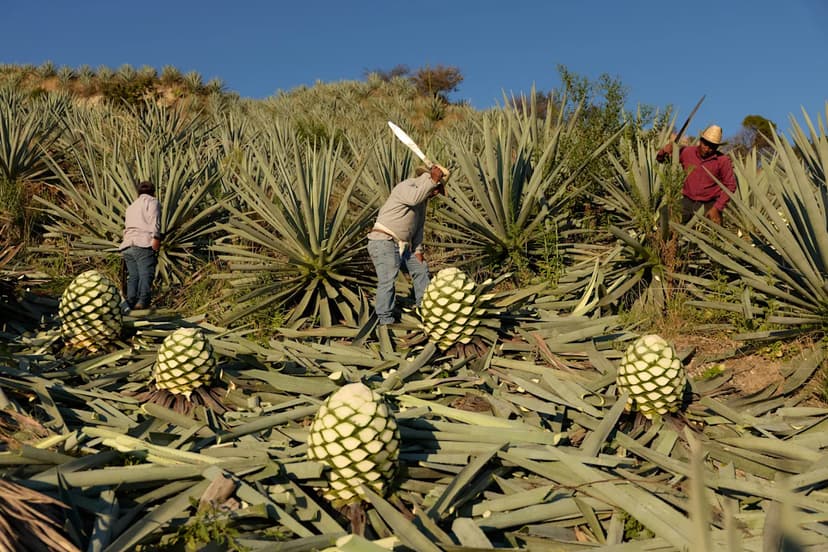
In the Mexican state of Oaxaca, the production of mezcal remains a deeply traditional and physical endeavor, relying on knowledge cultivated within Indigenous families for generations. This ancient spirit is integral to daily life, serving as both a home remedy and a symbol of hospitality at community events.
The intricate process starts with skilled jimadores hand-harvesting mature agave, known locally as maguey, often from challenging terrains. These plants are then transported to the distillery for a crucial cooking phase.
Slow roasting over several days in underground pits lined with hot stones gives mezcal its characteristic smoky essence. Following cooking, the agave is crushed, traditionally using a massive stone wheel called a tahona, often pulled by a horse, to create a fibrous mash.
Fermentation occurs in open wooden vats, with the crushed agave mixed with water. The resulting mash is then distilled in small batches, typically in copper stills for artisanal mezcal or clay pots for the older, ancestral method. This distillation results in a spirit savored slowly, appreciating its diverse flavors shaped by tradition and the land.