Home / Lifestyle / Maldives Manta Rays: Luxury Resort's Unique Conservation
Maldives Manta Rays: Luxury Resort's Unique Conservation
30 Sep
Summary
- Maldives boasts the world's largest population of reef manta rays.
- A resort offers 'Manta on Call' service via a phone alert system.
- The island transformed from a coconut plantation to a luxury eco-resort.
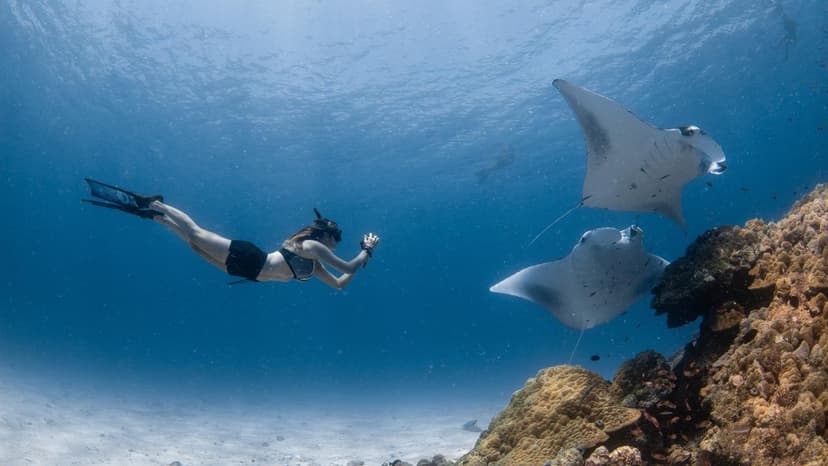
The Maldives is renowned as a premier destination for observing manta rays, boasting the world's largest population of reef manta rays and a significant number of oceanic manta rays. Landaa Giraavaru, a 44-acre luxury resort located in the Baa Atoll, offers guests an extraordinary opportunity to encounter these marine giants through its innovative 'Manta on Call' service. This unique program alerts guests via a resort-issued phone when manta rays are sighted, facilitating swift excursions to prime locations like Hanifaru Bay, a critical aggregation site.
This island paradise has a rich history, having transformed from a traditional coconut plantation into the sophisticated Four Seasons Resort Maldives at Landaa Giraavaru, which opened in 2006. Today, it stands as a protected island within a UNESCO World Biosphere Reserve, impressively blending high-end luxury with dedicated marine conservation efforts. The resort features 103 villas and suites, offering a range of accommodations from oceanfront to beachside settings.
Landaa Giraavaru's commitment to marine life is evident through its Marine Discovery Centre. This facility houses a fish lab, a Turtle Rehabilitation Centre, and supports critical conservation programs like the Maldives Manta Conservation Programme (MMCP), which is celebrating its 20th anniversary. The resort actively engages guests in conservation through experiences such as swimming with manta rays, adopting manta rays, and educational presentations. Future initiatives include a new website for tracking manta rays and a dedicated learning app.
Beyond its marine initiatives, the resort champions sustainability across its operations. It incorporates solar power, recycles landscaping waste, and composts food waste. Self-sufficiency in growing microgreens, herbs, and mushrooms on-site further underscores its eco-conscious approach. These efforts reflect a deep respect for the island's heritage and natural environment, preserving its ecological balance for future generations.


