

Home / Lifestyle / Kolkata's Chinatown: Where Kali Meets Noodles
Kolkata's Chinatown: Where Kali Meets Noodles
19 Apr
Summary
- A temple in Kolkata blends Hindu and Chinese traditions.
- Goddess Kali is offered noodles and fried rice as prasad.
- Handmade paper is burned to ward off evil spirits.
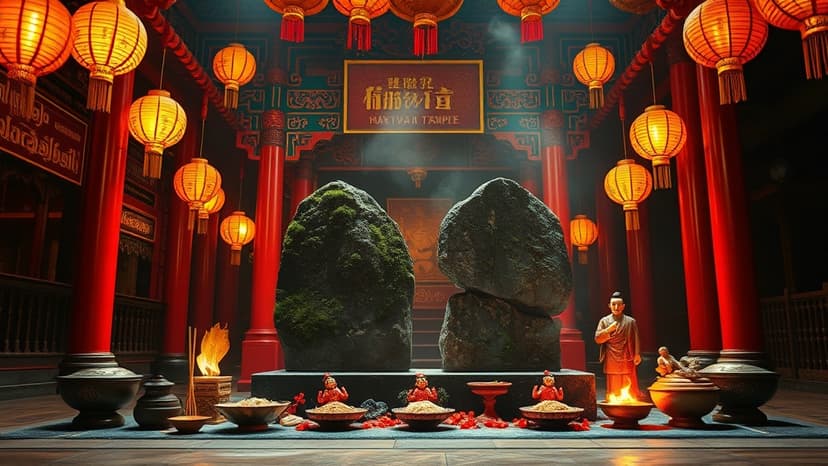
The Chinese Kali Temple in Kolkata's Tangra area, often called the city's Chinatown, stands as a unique testament to cultural fusion. It harmoniously blends Hindu traditions with Chinese customs, a sight found nowhere else.
The temple's origin traces back about 60 years to two stones under a tree, worshipped by Hindus. A pivotal moment occurred when a local Chinese boy, gravely ill, miraculously recovered after his parents prayed at the stones. This event fostered goodwill between communities, leading to the temple's construction.
Distinct from other Kali temples, the prasad here includes noodles, chop suey, and fried rice, reflecting the local Chinese community's flavors. Offerings may also feature momos or stir-fried dishes, shared with all visitors.
Visually, the temple combines elements like red hibiscus garlands with the aroma of Chinese incense. A unique practice involves burning handmade paper to ward off evil spirits, a ritual uncommon in Hindu settings.
The aarti ceremony itself bridges two worlds, with a Bengali priest leading rituals as Chinese devotees participate in prayer. This sacred space transcends religious differences, symbolizing kindness and gratitude uniting diverse backgrounds.
