Home / Lifestyle / India's Pet Boom: Love, Status, or Climate Crisis?
India's Pet Boom: Love, Status, or Climate Crisis?
11 Mar
Summary
- Hundreds of pets abandoned in Dubai as expats flee war.
- India's pet market booming, but native breeds are sidelined.
- Pedigree dogs become status symbols, leading to abandonment.
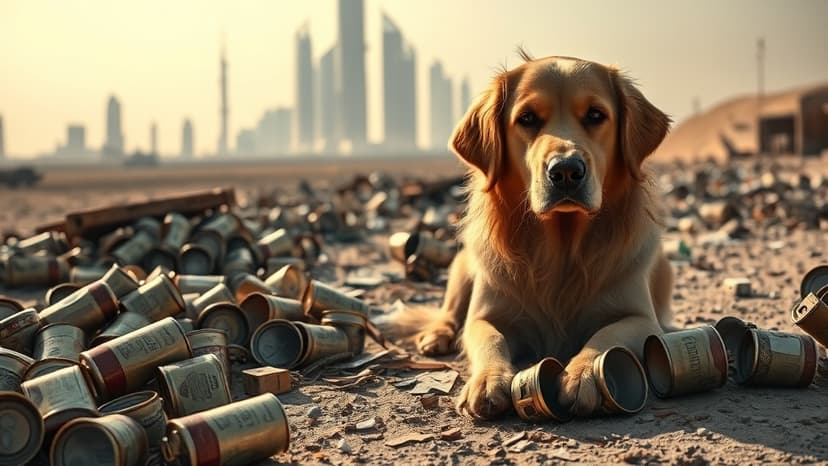
In Dubai, the recent US-Israel war has led to a surge in pet abandonment as expatriates scramble to flee the escalating conflict. Cardboard boxes with kittens and puppies, along with abandoned dogs and rabbits, have become a common sight on quiet streets.
This issue is not unique to the UAE; rising living costs worldwide have contributed to increased pet abandonment over the past decade. India is experiencing a similar trend, where pets are sometimes treated as status symbols rather than companions.
India's pet care market has seen significant growth, with an estimated 30 million households owning pets and the industry projected to exceed ₹20,000 crore. Cities like Mumbai, Bengaluru, Delhi, and Hyderabad have developed extensive pet-related services.
For many young urban Indians, pets offer companionship in fast-paced, isolating city lives, filling emotional voids left by delayed marriages or single living. However, this has also fueled a 'pedigree obsession,' with breeds like Siberian Huskies and French Bulldogs gaining popularity due to their perceived association with a global lifestyle.
This obsession often leads to the neglect and eventual abandonment of pets, particularly when owners underestimate the commitment required for daily care, training, and veterinary visits. Climate-inappropriate breeds face particular risks. During the COVID-19 lockdowns, India saw a rise in pet adoptions, followed by a spike in abandoned pets as normal life resumed.
Simultaneously, India maintains a strong culture of grassroots animal care, with many individuals feeding strays and organizing sterilization drives. The animal welfare ecosystem is expanding, with adoption campaigns promoting Indian breeds.
India's evolving relationship with pets reflects broader societal changes, including urbanization and shifting family structures. As the Western concept of pets as emotional companions is integrated, Indian society is navigating the associated responsibilities, resulting in a messy but unfolding transition.