Home / Lifestyle / From Tribal Diets to Fine Dining: India's Ants Take Stage
From Tribal Diets to Fine Dining: India's Ants Take Stage
23 Aug
Summary
- Tribal communities in India have safely consumed ants for generations.
- Noma restaurant faced regulatory issues and legal charges over serving ants.
- Indian chefs are now exploring ants as a sophisticated culinary ingredient.
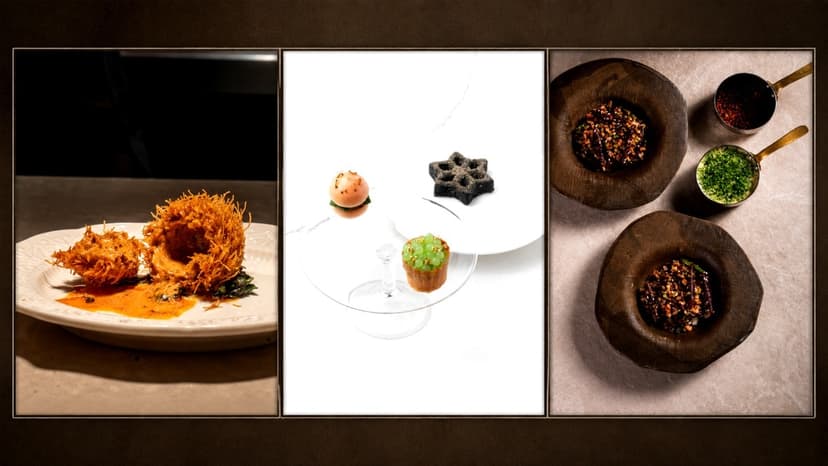
Tribal communities across eastern and northeastern India have long incorporated red weaver ants and their eggs into their diet, creating nutritious chutneys. This indigenous knowledge contrasts sharply with recent global fine dining trends where ants were introduced with much fanfare. Notably, Noma restaurant, after using ants for their lemongrass-like acidity, eventually removed them due to EU novel food regulations. In July 2026, South Korea saw a serious case where a chef faced jail time for serving ants.
Despite these global challenges, Indian chefs are now re-examining ants, focusing on respecting their origins and inherent culinary value. Chefs like Varun Totlani and Johnson Ebenezer emphasize learning from tribal knowledge rather than 'discovering' the ingredient. They describe ants as possessing a complex, citrusy acidity, capable of tenderizing meat and acting as a seasoning agent, similar to sumac or yuzu.
Chefs are exploring ants and other insects like silkworms and termites for their unique flavors and textures. This movement aims to showcase regional Indian ingredients. While diners initially express surprise, many are won over by the distinct taste, dissolving psychological barriers. India's approach is increasingly about acknowledging and integrating generations-old indigenous wisdom into modern gastronomy.


