Home / Lifestyle / Why Eating Hot Soup Cools You Down
Why Eating Hot Soup Cools You Down
13 Aug
Summary
- Hot soup triggers natural cooling mechanisms like sweating.
- Ancient wellness traditions support hot food in warm weather.
- Spicy food activates body's cooling response via capsaicin.
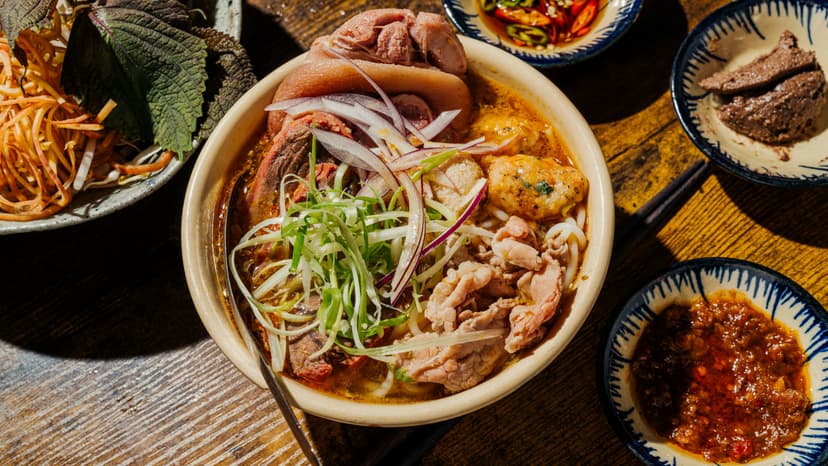
Across South and Southeast Asia, the Caribbean, and parts of Africa, consuming hot soup during sweltering weather is a common practice. Ancient wellness frameworks like Ayurveda and traditional Chinese medicine advocate for hot foods to maintain bodily balance. The logic suggests that warm meals do not overheat the body but instead stimulate natural cooling mechanisms such as sweating and thirst, thereby promoting hydration.
This principle is encapsulated in the Korean phrase 'yi yeol chi yeol,' meaning 'fight fire with fire.' It is the basis for dishes like samgyetang, a hot chicken soup traditionally eaten during the hottest days of summer. Scientific studies suggest that ingesting warm liquids can lead to the body storing less heat. Additionally, capsaicin, the compound in chili peppers, activates receptors that mimic heat, prompting the body's cooling response.
Chefs and individuals from diverse backgrounds, including Vietnamese, Cantonese, Ecuadorean, and Burmese heritage, share personal anecdotes about the comfort and tradition of eating hot soup year-round. This practice is seen as a way to achieve internal balance and comfort, with some even noting that cold beverages can feel like a shock to the system compared to the soothing warmth of soup.


