Home / Lifestyle / Grandparents Raising Kids Face Financial Strain
Grandparents Raising Kids Face Financial Strain
4 Feb
Summary
- Grandparents raising grandchildren often face financial hardship.
- Many seek benefits parity with Massachusetts foster families.
- Children in these families may experience mental health challenges.
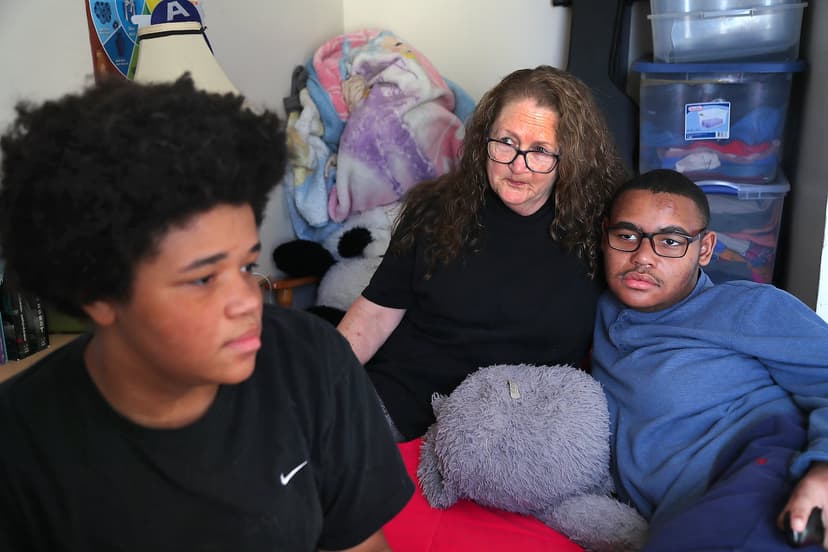
In Massachusetts, a significant number of grandparents are raising their grandchildren, a role often assumed due to their adult children's struggles with addiction, mental illness, or death. These caregivers, many of whom are seniors, are experiencing profound financial difficulties and are lobbying for greater state assistance.
These grandparents are advocating for legislative changes to provide them with benefits comparable to those received by foster families. While some aid exists through free tuition programs, the core demand is for parity in financial stipends, social services, and allowances. Reports indicate these grandparent-led households face higher rates of poverty and food insecurity.
The children in these kinship-care families are also more vulnerable, exhibiting increased rates of depression, anxiety, and PTSD. Despite the Department of Children and Families prioritizing kinship placements, most children raised by grandparents in Massachusetts do not come through the foster system.
Nationally, there is a growing movement to equalize benefits for kinship caregivers and foster families. Michigan recently became the first state to offer equal benefits. Grandparents often cite love as their primary motivation, despite the personal sacrifices, including foregoing retirement and experiencing grief for the children they could not help.
Individual stories illustrate the challenges. One grandmother in Western Massachusetts, raising two grandchildren since they were infants due to parental addiction, struggles to make ends meet on approximately $3,000 per month from various benefits. Another, in Northfield, despite previous self-sufficient living, now relies on food pantries to care for her granddaughter. These experiences underscore the profound personal and financial toll of raising a second family.
These kinship caregivers are performing the same essential work as foster parents, providing stability and support for children. They seek recognition and equitable support from the state to alleviate their substantial burdens and ensure the well-being of the children in their care.