Home / Lifestyle / Edible Earth: Cheese's Cultural Secrets
Edible Earth: Cheese's Cultural Secrets
12 Oct
Summary
- Cheesemaker documents rare methods before they vanish.
- Dairy is sacred in Mongolia, with milk libations offered.
- Ancient Georgian cheeses are revived as cultural heritage.
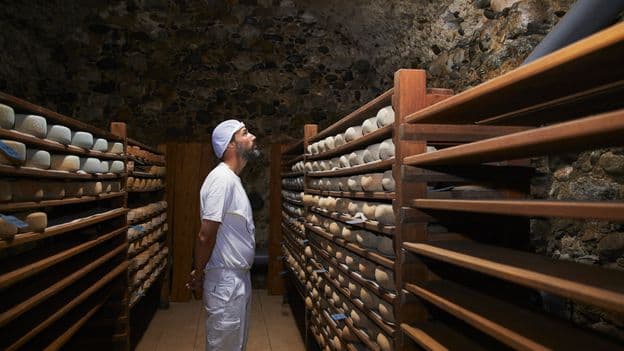
Trevor Warmedahl, a former commercial cheesemaker, has dedicated years to documenting endangered traditional cheesemaking practices worldwide. His global odyssey began in 2019 in Mongolia, where he observed dairy's sacred status, including milk libations offered by women.
Warmedahl's quest has taken him to over 20 countries, including Bulgaria, Pakistan, Italy, and Austria. A standout experience was in Georgia's Tusheti region, where he witnessed the revival of ancestral "fossil cheeses" post-Soviet cultural resurgence. He learned about Tushuri guda, a feta-like cheese aged in sheepskins, and participated in shepherds' ancient migration routes.
He emphasizes that cheese is more than food; it's a sensory experience embodying human culture, landscapes, and livestock. Warmedahl advocates for pastoral cheesemaking as a sustainable lifestyle adaptable to climate change and highlights the importance of preserving heritage livestock diversity, which is rapidly diminishing due to industrialization.
Exploring "exotic" cheeses, like Norway's moldy gammelost, can offer insights into diverse cultures. Warmedahl encourages genuine curiosity, suggesting that trying unfamiliar foods is a pathway to understanding a culture’s history and unique traditions.
His unstructured approach to travel, often involving farm work or guesthouse stays, provided deeper immersion. Warmedahl recommends seeking local cheesemongers for visiting producers and advocates for responsible "lacto-culinary" tourism that directly supports local communities, urging travelers to embrace the realities of farm life beyond romanticized notions.
Warmedahl expresses keen interest in Turkey's overlooked cheese universe, particularly Tulum peyniri, aged in goatskins, which he found phenomenally flavorful and emblematic of pastoral sacrifice. He believes Turkish cheeses deserve recognition alongside those from Western Europe.


