Home / Lifestyle / Italy's Femminielli: Faith, Resistance, and Divine Protection
Italy's Femminielli: Faith, Resistance, and Divine Protection
12 Feb
Summary
- Annual pilgrimage honors biblical Mary and affirms femminielli identity.
- Femminielli, a Neapolitan third gender role, blend human and divine.
- Pilgrimage serves as an act of faith and resistance against oppression.
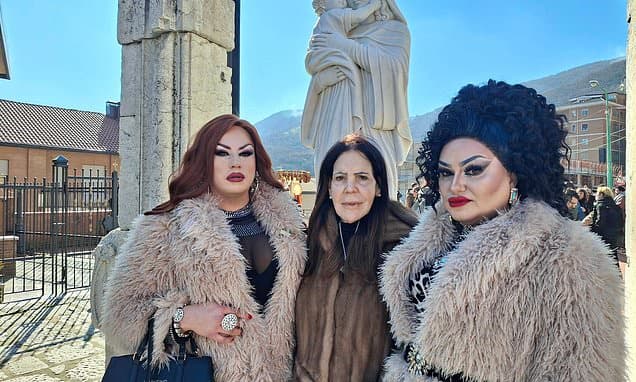
The Church of the Annunziata in Mercogliano, Italy, hosted the annual La Juta pilgrimage, a gathering of the femminielli community. This event honors the biblical Mary and celebrates the femminielli identity, a traditional Neapolitan third gender role with ancient roots. The pilgrimage, observed on February 2nd, combines human and divine elements, drawing parallels to Neapolitan mythology and Catholic traditions like Candlemas.
This year's pilgrimage also reflected grief over the recent suicide of Paolo Minturno, a 14-year-old bullied for his perceived gender expression. Despite historical challenges, including being barred from sanctuaries in 2002, the femminielli's tradition perseveres. The event, forced to relocate due to a landslide, became a symbol of faith and resistance against transphobia and inequality.
Anthropological studies highlight the femminielli's historical societal inclusion, partly due to their performativity and integration into Neapolitan culture. Rituals like the "Wedding of the Femminielli" and mock childbirth ceremonies showcase their vibrant traditions. Organizations like the Trans Association of Naples work to preserve these unique cultural practices, ensuring their survival for future generations.