Home / Lifestyle / Kitchens Evolve: From Industrial Revolution to Open Concepts
Kitchens Evolve: From Industrial Revolution to Open Concepts
22 Nov
Summary
- The American kitchen transformed with industrialization and new appliances.
- Home economics promoted homemaking as a vital scientific field.
- Open-concept kitchens emerged, prioritizing flow and social interaction.
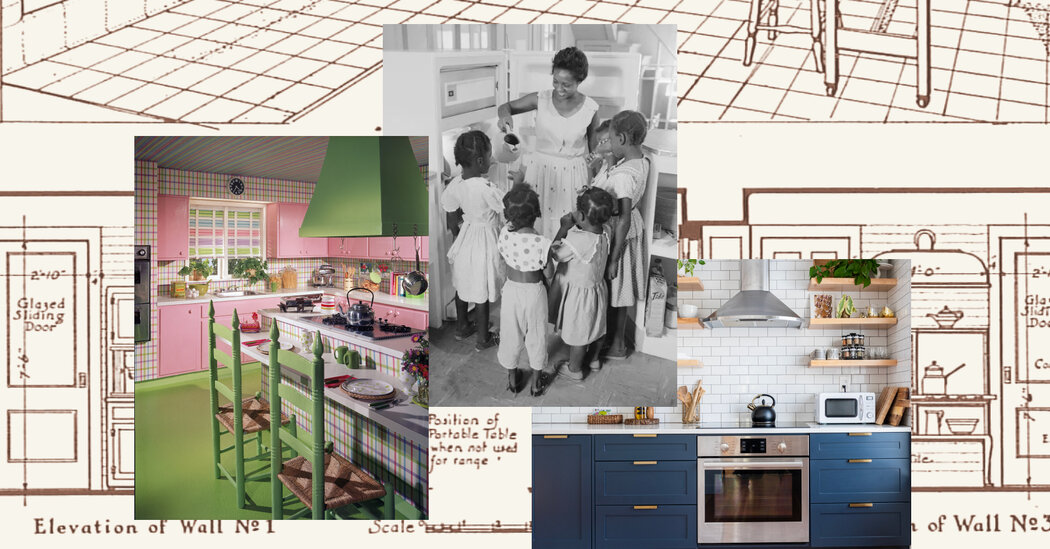
The modern American kitchen's evolution began with the ripple effects of the industrial revolution. Government initiatives and the rise of home economics promoted homemaking as a scientific endeavor, comparable to traditional industries. This period saw the introduction of innovative appliances such as mass-produced metal stoves, rudimentary refrigerators (iceboxes), and electric countertop tools like toasters and mixers, technologies that remain foundational today.
Architectural advancements introduced modular, mass-produced cabinetry, a departure from previous custom-built or free-standing furniture solutions. Influenced by designers like Margarete Schütte-Lihotzky, kitchens became more functional, with labeled storage and integrated appliance planning, reflecting a growing emphasis on domestic science. The concept of an efficient "work triangle" between the stove, sink, and counter also took shape.