Home / Lifestyle / Black Cat's Fur Changes Color Due to Rare Condition
Black Cat's Fur Changes Color Due to Rare Condition
11 Nov
Summary
- Fumaça, a black cat, developed white patches due to vitiligo.
- Vitiligo causes gradual loss of fur and skin pigmentation.
- The cat's condition gained viral fame on Instagram.
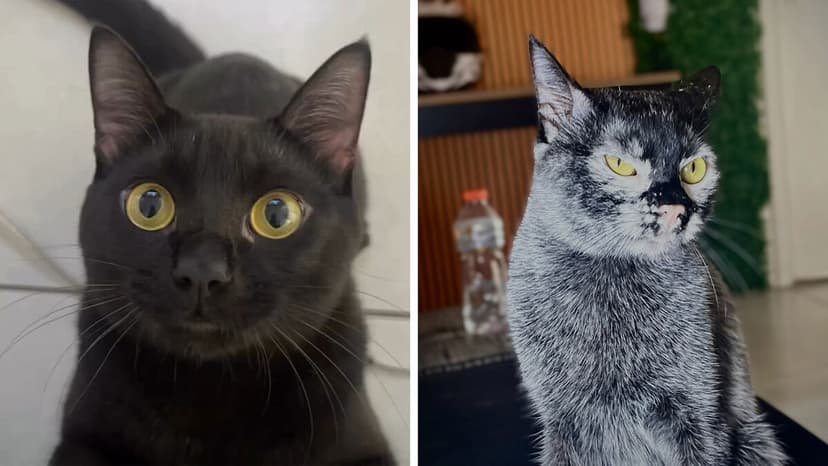
Kauane Stephanie, a photographer from Belo Horizonte, Brazil, welcomed a black kitten named Fumaça into her home in June 2024. What began as a dream for a black cat soon turned into a unique journey as Fumaça started changing. Around his first birthday, small pink spots appeared on his nose, followed by patches of white fur. Concerned, Kauane sought veterinary advice and learned Fumaça had vitiligo.
Vitiligo in cats is a rare condition where melanocytes, the pigment-producing cells, are affected, leading to gradual loss of color in fur and skin. Fortunately, the condition is generally harmless, not contagious, and does not cause pain. However, depigmented skin can be more sensitive to the sun, requiring monitoring.
Fumaça's transformation became a viral sensation on Instagram, with a video documenting his changing appearance garnering millions of views. Many viewers were captivated by his striking new look, comparing him to Michael Jackson and joking about his unique coat. His story also alerted other pet owners to vitiligo in animals.
Despite his internet fame, Fumaça remains an energetic and beloved companion to Kauane. Her initial wish for a black cat evolved into cherishing his one-of-a-kind appearance, making their bond even more special. Fumaça’s story highlights a rare condition and has brought awareness to many.


