Home / Lifestyle / Palenqueras: Echoes of Africa in Cartagena
Palenqueras: Echoes of Africa in Cartagena
4 Feb
Summary
- Cartagena's palenqueras descend from San Basilio de Palenque, Americas' first free town.
- These women carry fruit and sweets, a tradition from enslaved ancestors.
- San Basilio de Palenque preserves its distinct language and traditions.
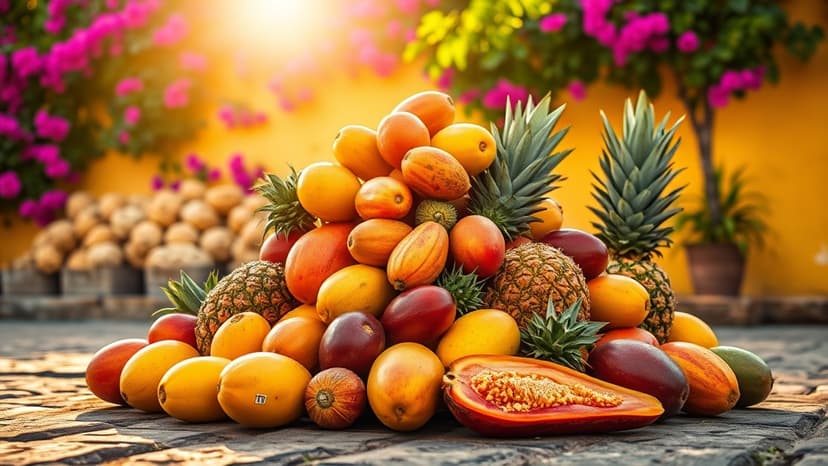
In the Colombian port city of Cartagena, the presence of palenqueras offers a profound connection to history. These Black women, dressed in distinctive colorful attire, carry bowls of fruit and sweets, a practice rooted in the legacy of their ancestors who escaped enslavement.
They originate from San Basilio de Palenque, a town established in the 1400s, recognized as the first free town in the Americas. This community has successfully maintained its unique language, a blend of African, Creole, Spanish, and Portuguese, alongside ancestral traditions and community policing.
Cartagena itself was a major port for the transatlantic slave trade. The city's historical heart, Plaza de los Coches, once a market for enslaved people, now contrasts sharply with its modern tourist appeal. The palenqueras navigate this complex history, representing both a vibrant present and a powerful ancestral past.