Home / Lifestyle / Blind Kathakar's Voice Empowers Disabled Children
Blind Kathakar's Voice Empowers Disabled Children
2 Dec, 2025
Summary
- Born without sight, Kunal Shastri became a renowned devotional storyteller.
- He raises funds through his kathas for children with disabilities.
- Technology like Braille readers aids Shastri in his independent life.
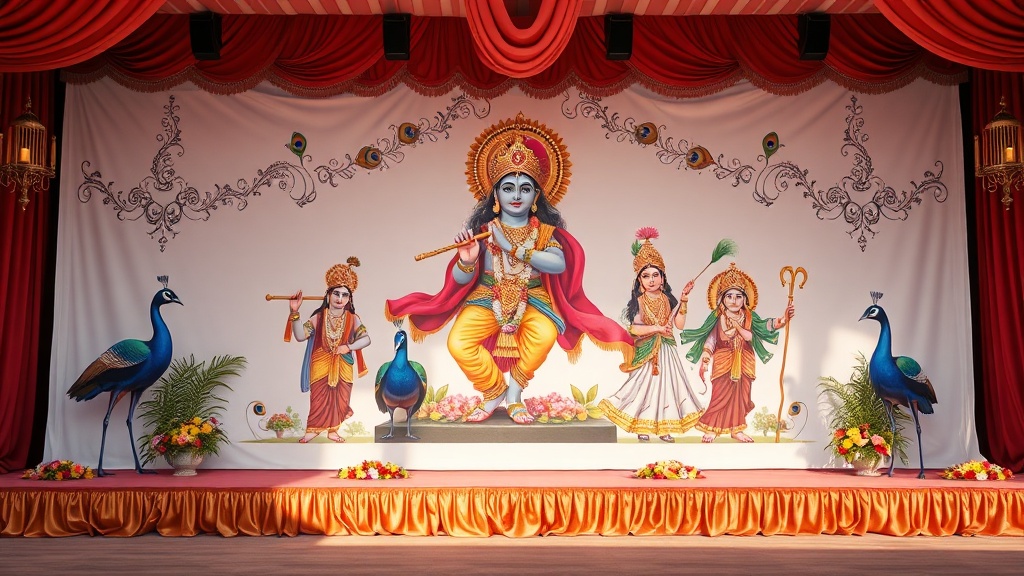
Kunal Shastri, a 38-year-old devotional storyteller, has turned his blindness into a powerful force for good. Born without vision, he discovered his calling at 14 and has since become an accomplished narrator of various Puranas and the Bhagwad Gita, conducting hundreds of kathas nationwide. His recent efforts focus on raising funds for children with disabilities, channeling proceeds into essential support services.
Shastri's commitment extends to advocating for inclusivity and support for the disabled community. He believes his initiatives can help ensure no child is left behind, fostering a sense of belonging and empowerment. His work demonstrates that storytelling can be a potent tool for social change and uplifting marginalized groups.
Embracing technological advancements, Shastri utilizes tools like the Orbit Reader and smartphones with assistive software. He views technology as a crucial bridge, enabling PwDs to communicate, learn, and engage with society more independently, significantly enhancing their quality of life and autonomy.