Home / Lifestyle / Culture Clash: Why Australians Hate Agents, Americans Don't
Culture Clash: Why Australians Hate Agents, Americans Don't
2 Dec, 2025
Summary
- US agents charge higher fees yet offer less commitment than Australian counterparts.
- Australians express widespread animosity towards real estate agents.
- Cultural differences and industry transparency may explain the divide.
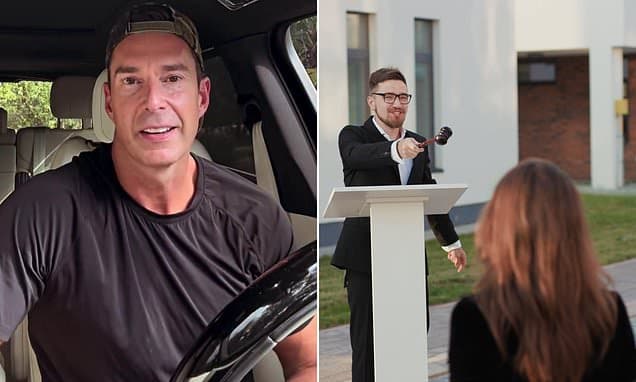
An Australian real estate coach based in Texas has sparked discussion by noting the stark contrast in how real estate agents are perceived in the US versus Australia. He expressed surprise at the widespread animosity towards agents in his home country, contrasting it with the generally positive reception in America. This observation is particularly striking given that US agents often command higher fees and exhibit less commitment.
Several explanations have been offered for this cultural divide. Some suggest it stems from Australia's "tall poppy syndrome," where success is often met with scrutiny. Others point to a lack of transparency and excessive self-promotion within the Australian real estate industry, compared to the ethically bound representation and clearer processes found in the US.
The debate also touches upon broader societal values, with some positing that Australia's collectivist leanings contrast with the US's individualistic capitalist framework. Ultimately, the differing attitudes toward ambition, visibility, and financial success appear to play a significant role in how real estate professionals are viewed in each nation.