Home / Health / Zika's Shadow: 10 Years On, Travelers Beware
Zika's Shadow: 10 Years On, Travelers Beware
5 Feb
Summary
- WHO declared a global health emergency in 2016 due to Zika.
- Zika can cause severe birth defects like microcephaly in infants.
- No vaccine exists; prevention relies on mosquito bite avoidance and safe sex.
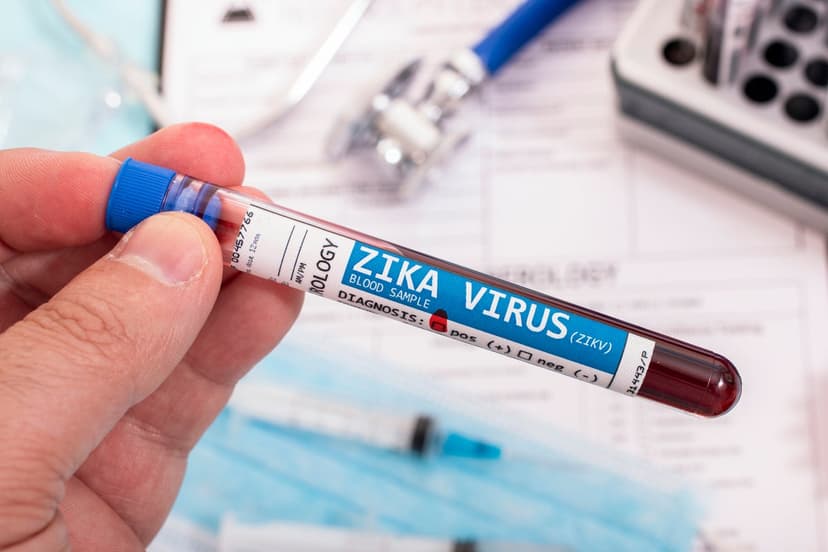
The World Health Organization declared a Public Health Emergency of International Concern in early 2016 due to a significant Zika virus outbreak originating in Brazil. This mosquito-borne infection, typically causing mild symptoms in adults, gained notoriety for its severe impact on pregnancies.
By the end of 2016, the Zika epidemic had spread to an estimated 1.5 million cases in Brazil and affected 75 countries globally. Although a widespread global outbreak is not currently active, potential risks persist for travelers.
Zika virus, first identified in Uganda in 1947, is primarily transmitted through mosquito bites. Symptoms, if present, are usually mild and short-lived, including fever, headache, red eyes, rash, and joint pain. However, for pregnant individuals, Zika can lead to serious complications such as microcephaly, premature birth, and developmental issues in infants.
The virus is endemic in parts of the Americas, the Caribbean, Africa, Asia, and the Pacific islands. The UK Health Security Agency considers the public health risk to UK travelers negligible due to the absence of the specific transmitting mosquito in the UK.
Currently, there is no vaccine or specific treatment for Zika virus infection. Management focuses on rest, fluids, and pain relief. Public health advice strongly recommends that pregnant women or those planning pregnancy consider avoiding travel to Zika-risk areas. Couples are also advised to use condoms for a specified period after returning from affected regions to prevent sexual transmission.