Home / Health / Woman's 'Bobblehead' Neck Nearly Led to Fatal Internal Decapitation
Woman's 'Bobblehead' Neck Nearly Led to Fatal Internal Decapitation
4 Dec, 2025
Summary
- A rare genetic condition caused Katlyn Brooks' skull to become dangerously unstable on her spine.
- She suffered for two decades before doctors diagnosed her condition as Ehlers-Danlos syndrome.
- Doctors discovered her neck was so unstable, any sudden movement could cause fatal internal decapitation.
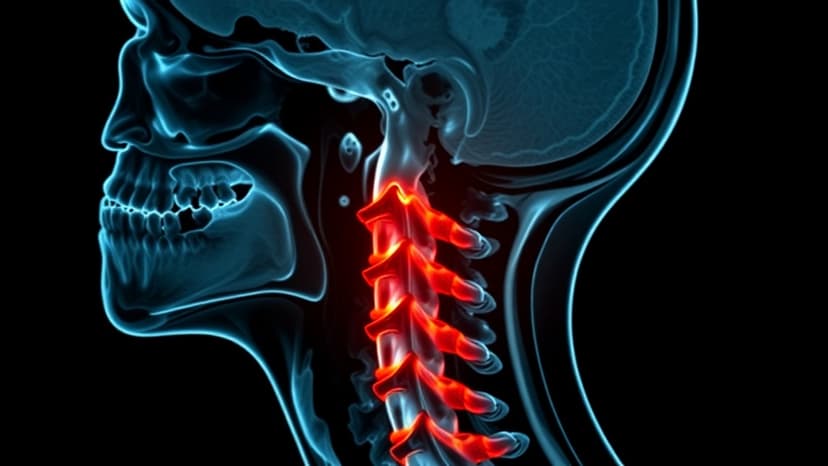
Katlyn Brooks, a 28-year-old mother from Michigan, endured two decades of debilitating symptoms before being diagnosed with hypermobile Ehlers-Danlos syndrome (hEDS). This genetic disorder compromised her body's connective tissue, leading to severe instability in her neck, where her skull was barely anchored to her spine. Doctors warned that her condition progressed to a point where any sudden movement could cause fatal internal decapitation, a rare and almost always lethal phenomenon.
Brooks faced years of being dismissed by medical professionals, with her symptoms of vomiting, dizziness, and fatigue attributed to anxiety or depression. This misdiagnosis delayed crucial treatment, exacerbating her condition to the point of gastroparesis, where her stomach stopped functioning properly, leading to severe malnourishment. Her severe craniocervical instability required a complex surgery to fuse her skull and upper vertebrae, a procedure difficult to find doctors willing to perform.