Home / Health / Winter Sleep Woes: Chilly Rooms Disrupt Deep Sleep
Winter Sleep Woes: Chilly Rooms Disrupt Deep Sleep
15 Dec
Summary
- Cold temperatures can prevent the body from transitioning into sleep.
- Shivering in bed indicates the body is too cold to fall asleep.
- Inflamed airways from colds or allergies can worsen snoring and sleep quality.
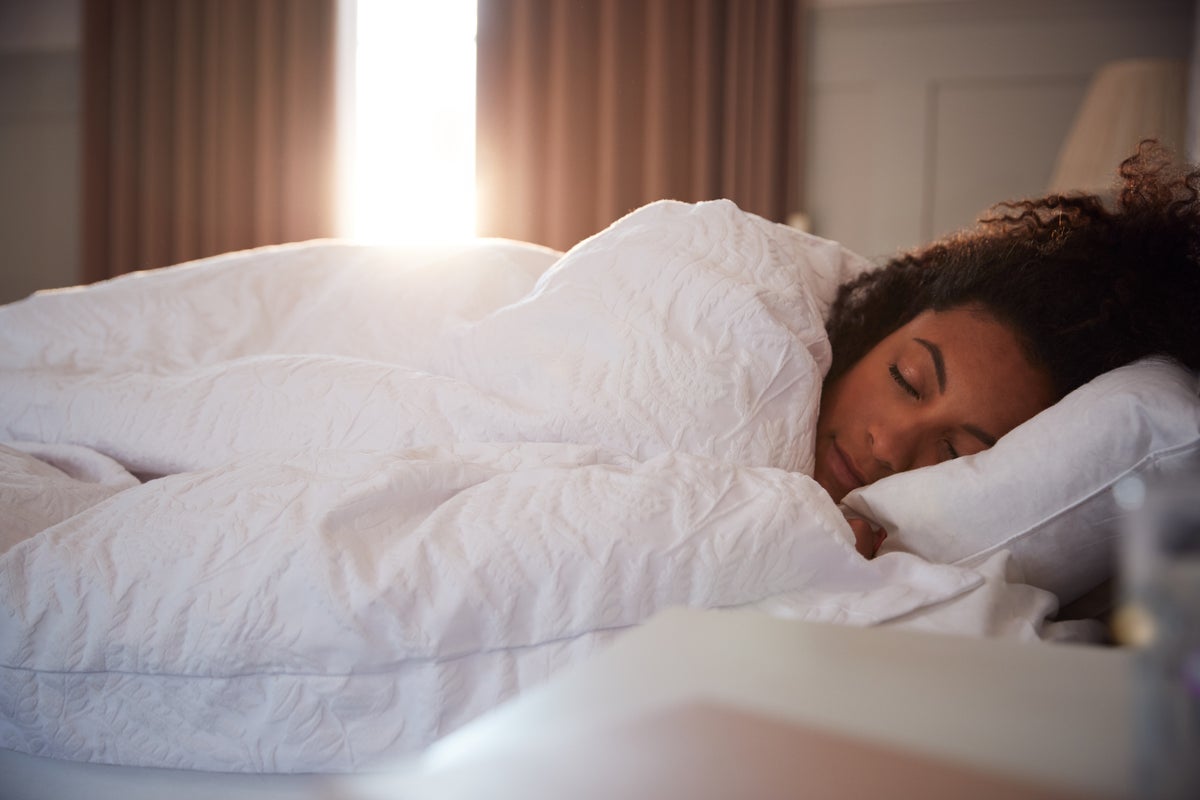
As winter's shorter days and colder temperatures arrive, sleep patterns are often disrupted. Experts explain that a core body temperature drop is essential for initiating sleep. However, an excessively cold bedroom can prevent this transition, as the body focuses on staying warm. This can result in less refreshing, shallower sleep, even if one doesn't fully wake up.
Beyond temperature, seasonal ailments like colds or allergies can negatively impact sleep. Inflamed airways can increase snoring and potentially worsen sleep disorders such as obstructive sleep apnea. These conditions cause breathing pauses, leading to fragmented and poor-quality rest during the night.
The connection between mental health and sleep is also amplified in winter. Seasonal mood changes can affect sleep, while poor sleep can, in turn, exacerbate feelings of anxiety and depression. Maintaining consistent routines, staying active indoors, and managing bedroom temperature are crucial for navigating these challenges.