

Home / Health / Swim and You'll Pee: The Science Explained
Swim and You'll Pee: The Science Explained
26 Apr
Summary
- Water pressure shifts blood, confusing kidneys to produce more urine.
- Cold water intensifies the urge to urinate due to blood vessel constriction.
- Factors like bladder issues and medications can increase the urge.
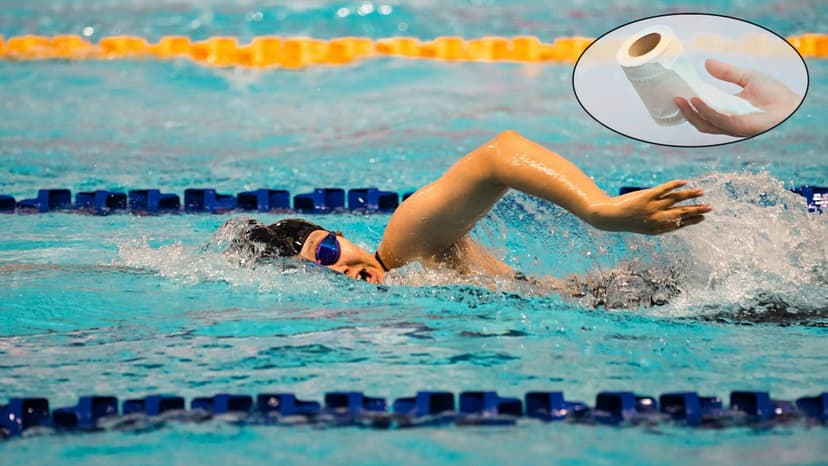
The urge to urinate after swimming, known as immersion diuresis, has a clear physiological explanation. When submerged in water, external pressure causes blood to redistribute from the limbs towards the body's core. This shift signals the kidneys to increase urine production, as the body interprets the increased central blood volume as excess fluid.
Cold water exacerbates this effect. Lower temperatures cause peripheral blood vessels to constrict, pushing even more blood toward the core and intensifying the diuretic response. This is why swimming in cooler environments like oceans or outdoor pools can lead to a more pronounced urge to pee compared to warmer waters. Additionally, saltwater may cause minor dehydration, potentially confusing the body's fluid balance signals.
Individual susceptibility varies. Factors such as pre-existing bladder conditions, consuming large amounts of fluid before swimming, older age affecting bladder control, and certain medications, like those for blood pressure, can increase one's propensity for immersion diuresis. Athletes who spend extended periods in water may also experience it more frequently. While generally harmless, persistent or painful urination warrants medical attention.
