Home / Health / H1N1 Evolves: WHO vaccine updates amid climate shifts
H1N1 Evolves: WHO vaccine updates amid climate shifts
29 Aug
Summary
- WHO updates influenza vaccines biannually for evolving H1N1 strains.
- Climate change alters influenza transmission patterns globally.
- Continued surveillance vital for tracking H1N1 and animal-origin viruses.
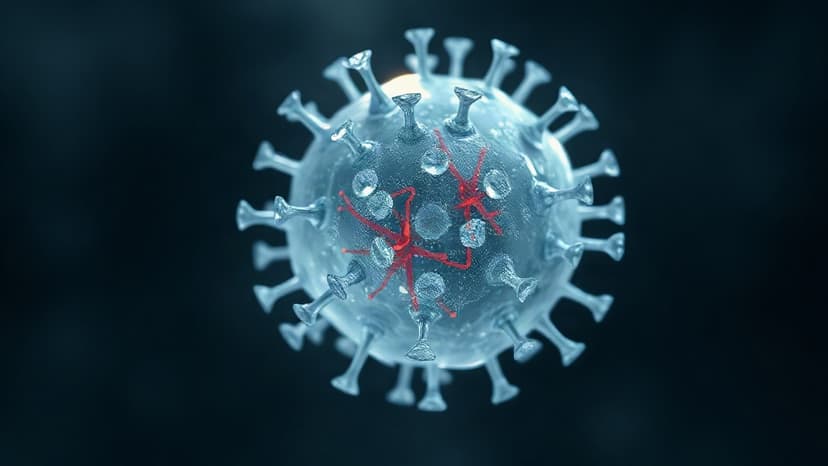
Influenza viruses, including H1N1, continue to evolve, necessitating biannual vaccine updates by the World Health Organization (WHO). While H1N1 is no longer considered a pandemic threat, it remains a circulating component of seasonal influenza alongside H3N2 and influenza B. New variants can emerge where human and animal populations interact.
These viral changes, coupled with climate change, are altering transmission patterns. This makes traditional influenza planning based on predictable cycles more challenging. Public health systems, particularly in the Global South with limited resources, must adapt to these shifting risks.
Effective influenza management relies heavily on robust surveillance networks. These networks track circulating strains, monitor animal-to-human transmissions, and identify emerging viruses. Sustained investment in these surveillance efforts is vital for timely vaccine updates and preparedness.
Climate change introduces further complexity, potentially altering outbreak intensity in different regions. Health authorities must integrate climate information into their planning to anticipate and respond to these evolving risks effectively.


