Home / Health / Developing Nations Demand Equity in Pandemic Treaty
Developing Nations Demand Equity in Pandemic Treaty
14 Mar
Summary
- Developing nations seek legally binding benefits for sharing pathogen data.
- EU prefers voluntary agreements, differing from equity group's demands.
- The Pandemic Agreement aims to address global health emergency gaps.
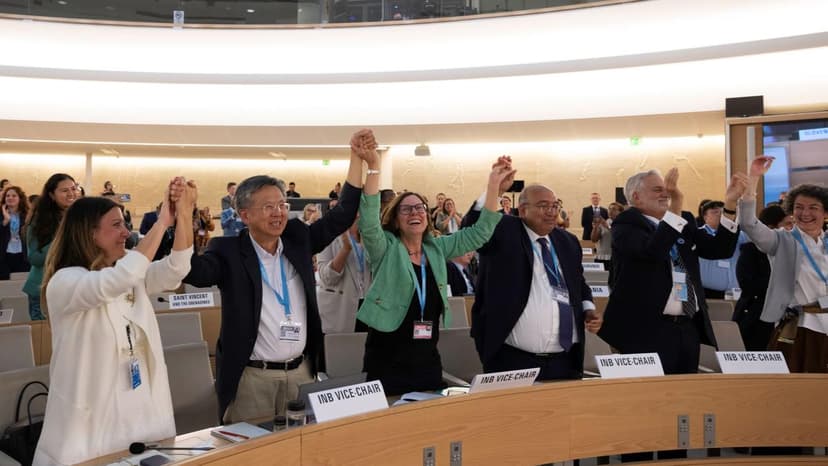
A critical meeting in Geneva is set to finalize the rulebook for the WHO Pandemic Agreement, adopted on May 20, 2025. This agreement stems from the global inequalities exposed by the COVID-19 pandemic.
India and the Group for Equity coalition are pushing for legally binding benefits for developing countries that share vital pathogen materials and genetic sequence data. They are advocating for a robust Pathogen Access and Benefit-Sharing (PABS) system within the agreement.
The PABS system will involve legally binding contracts for all entities handling these materials, ensuring fair benefit-sharing. Proposed benefits include a percentage of commercialized product revenue and reserved production of pandemic products for WHO, with affordable pricing for developing nations.
Conversely, the European Union suggests a voluntary framework, relying on incentives for manufacturer participation. While the EU agrees on a 10% donation floor for pandemic products, the Group for Equity insists on traceability and prior informed consent for data sharing.
The Intergovernmental Working Group on the Pandemic Agreement is negotiating the PABS system details, expected to be finalized by May 2026. The full agreement will enter into force after 60 countries ratify it.