Home / Health / GLP-1 Drugs: Hidden Bone Risks
GLP-1 Drugs: Hidden Bone Risks
11 Mar
Summary
- GLP-1 drug users face 30% higher fracture risk.
- Gout incidence rises 12% with weight-loss medication.
- Rapid weight loss can reduce bone density significantly.
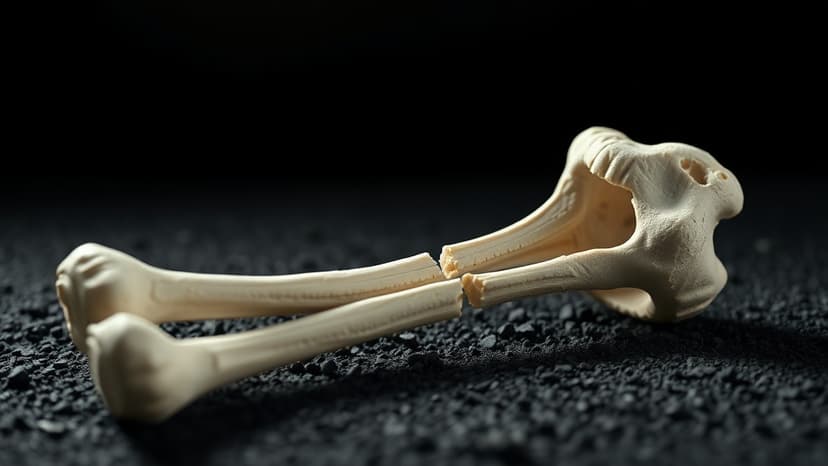
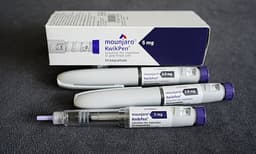
A recent study presented at the American Academy of Orthopaedic Surgeons (AAOS) 2026 Annual Meeting has revealed concerning side effects of widely used GLP-1 receptor agonist weight-loss drugs. The research, involving over 146,000 patients across five years, indicates a 30% increased risk of osteoporosis and a 12% rise in gout among users compared to those on other weight management methods.
The study also found that the risk of osteomalacia, a softening of the bones, doubled for patients using these medications. This is particularly alarming in countries like India, where vitamin D deficiency is prevalent. The rapid weight loss facilitated by GLP-1 drugs can lead to decreased bone density due to reduced skeletal stress and insufficient nutrient absorption.
Experts explain that rapid weight reduction lessens the load on bones, prompting the body to reabsorb minerals. Furthermore, the drugs' appetite-suppressing effects can lead to a nutritional void, hindering the intake of essential proteins, calcium, and magnesium vital for bone health. This situation is exacerbated in India, where lower average bone mineral density and lower protein intake from vegetarian diets present unique challenges.
To mitigate these risks, individuals on GLP-1 medications are advised to prioritize protein intake, engage in resistance training, and consult doctors about smart supplementation with vitamin D3 and calcium, ideally after blood tests. Monitoring uric acid levels is also recommended, especially for those with a history of joint pain. Doctors may suggest a bone density (DEXA) scan for individuals undergoing weight loss with these drugs.