Home / Health / Waist-to-Height: New Obesity Metric for Aging UK
Waist-to-Height: New Obesity Metric for Aging UK
11 Jan
Summary
- Waist-to-height ratio is a better obesity indicator than BMI for older adults.
- Visceral fat, linked to health issues, is better measured by waist-to-height.
- Environmental factors, not just behavior, drive obesity trends in England.
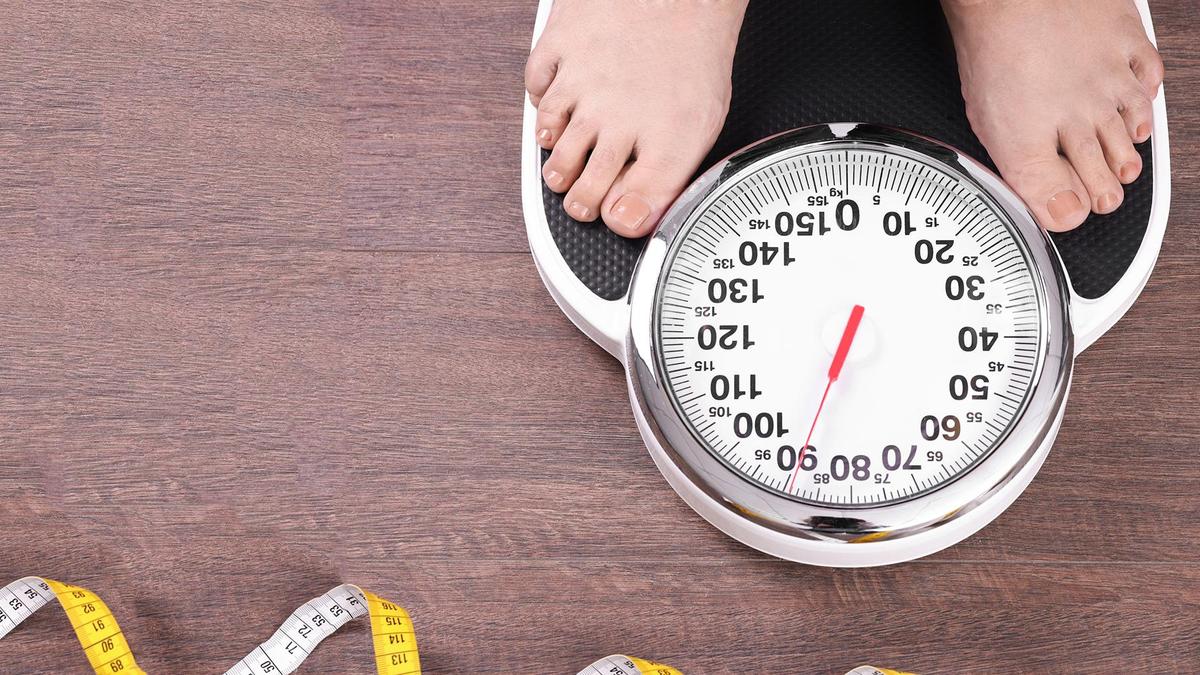
A recent study highlights the waist-to-height ratio as a superior screening tool for age-related obesity risk compared to the widely used Body Mass Index (BMI). As the UK's population ages, this refined metric could significantly aid the NHS in identifying older adults at risk of obesity and related diseases earlier, enabling proactive healthcare interventions.
The research, conducted by the Universities of Sheffield and Nottingham using data from England's Health Survey between 2005 and 2021, found that BMI can be misleading, particularly for older adults and individuals with lower muscle mass. The waist-to-height ratio, however, more accurately measures visceral fat, which poses a greater threat to vital organs and overall health.
Findings indicate that obesity trends are primarily influenced by environmental shifts over time, necessitating systemic policy changes. The increasing likelihood of obesity with age further underscores the urgency of adopting more effective screening methods to prevent underdiagnosis and ensure at-risk individuals receive necessary care.