Home / Health / Hard Belly: Your Hidden Health Risk
Hard Belly: Your Hidden Health Risk
2 Feb
Summary
- A hard belly may signal visceral fat, linked to metabolic issues.
- Visceral fat accumulates around organs, releasing harmful inflammatory chemicals.
- Lifestyle changes like protein intake and daily movement aid fat reduction.

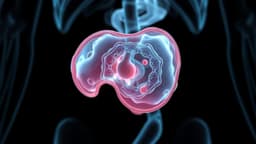
Gastroenterologists are highlighting the health implications of different types of abdominal fat. A hard, protruding belly is identified as a potential red flag for visceral fat accumulation. This deep fat surrounds vital organs such as the liver, pancreas, and intestines. It actively releases inflammatory chemicals and stress hormones, significantly increasing the risk of metabolic issues.
Visceral fat is strongly associated with serious health conditions including insulin resistance, type 2 diabetes, high blood pressure, and heart disease. Experts emphasize that even individuals with a normal weight or Body Mass Index (BMI) can harbor this harmful fat, a condition sometimes termed metabolically obese normal weight. Therefore, belly firmness and waist circumference can be more telling indicators than scale numbers alone.
While subcutaneous fat, found just beneath the skin and typically soft and pinchable, poses fewer metabolic risks, excessive amounts can still contribute to joint strain and overall weight gain. However, visceral fat presents a more immediate and concerning health threat requiring attention. Fortunately, this deep fat responds well to consistent lifestyle modifications.
Sustainable changes, rather than quick fixes, are recommended for reducing visceral fat. These include adopting a protein-rich diet, reducing refined carbohydrate intake, engaging in daily physical activity like brisk walking, effectively managing stress, and prioritizing quality sleep. These habits collectively contribute to improved metabolic health, regardless of an individual's body size.