Home / Health / Virus Mutates: Low R Number, High Risk?
Virus Mutates: Low R Number, High Risk?
29 Jan
Summary
- Low transmission rate, but mutation risk remains a concern.
- Initial infections linked to contaminated fruit bat products.
- Mortality rates vary widely; some cases show no symptoms.
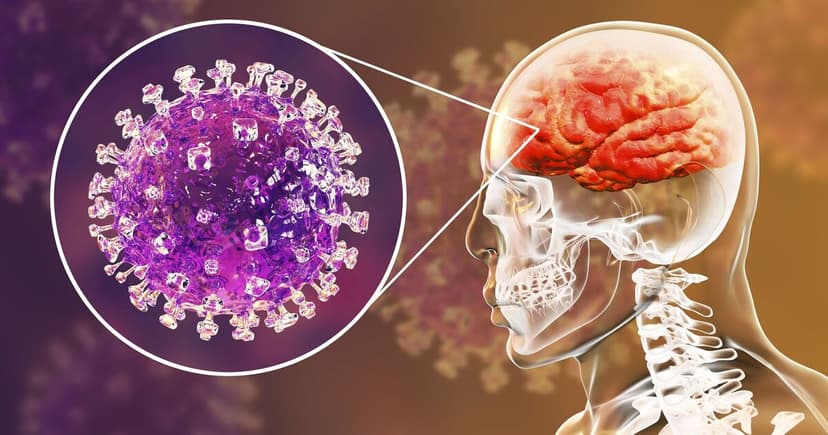
The current risk of person-to-person transmission for a particular virus is low, with an R number below one, indicating each infected individual infects less than one other. However, experts caution against complacency, as viruses can mutate to become more infectious. The long incubation period, typically one to two weeks but sometimes longer, makes detection at borders challenging.
Initial infections have been linked to bats, with human transmission occurring through consumption of contaminated fruit or fruit products, such as raw date palm juice. An early outbreak was associated with contact with infected pigs, which likely contracted the virus from bats. While person-to-person spread does occur, it is less common, though a particular concern for health professionals treating infected patients.
Reported mortality rates for known cases have ranged significantly, from as low as 9% to as high as 90%. It is estimated that up to half of all infections may not cause any symptoms, potentially lowering the actual mortality rate per infection. Airports in Thailand have implemented screening for passengers arriving from affected regions in India.