Home / Health / Virunga Park Fights Ebola with Gorillas at Risk
Virunga Park Fights Ebola with Gorillas at Risk
2 Aug
Summary
- Virunga Park established health checkpoints to monitor movement.
- Park rangers and paramedics deployed for emergency response.
- Endangered mountain gorillas are vulnerable to Ebola transmission.
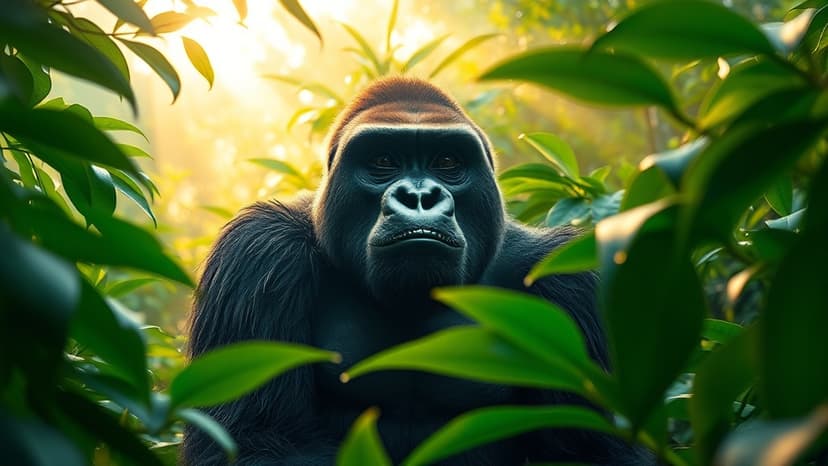
Virunga National Park, Africa's oldest, is implementing strengthened health measures in response to the escalating Ebola outbreak in the eastern Democratic Republic of the Congo (DRC) and neighboring Uganda. The World Health Organization declared the situation a Public Health Emergency of International Concern in May. These measures are crucial for protecting local communities and the park's endangered mountain gorilla population.
Established health checkpoints are monitoring movement across the park's vast territory, which acts as a natural barrier. The park has deployed 40 paramedics and 80 rangers for an initial six-month emergency response. Handwashing stations, temperature screening, and first-level isolation centers are operational at these checkpoints.
The park has a history of supporting Ebola containment, having aided efforts during the 2018-2020 outbreak that claimed nearly 2,300 lives. This current response also involves providing protective equipment to health services, which faced significant difficulties during the initial phase of the outbreak.
Mountain gorillas, classified as endangered, share over 90 percent of their DNA with humans, making them susceptible to diseases like Ebola. Conservationists are employing a "One Health" approach, recognizing the interconnectedness of human, animal, and environmental health, to prevent transmission from humans to gorillas. Despite past outbreaks in the region, no mountain gorilla has been infected with Ebola in Virunga National Park to date.


