

Home / Health / Thyroid Eye Drug Shows Promise, But Investors Skeptical
Thyroid Eye Drug Shows Promise, But Investors Skeptical
30 Mar
Summary
- Experimental drug elegrobart met its main goal in a late-stage study.
- Shares dropped 36% due to efficacy concerns falling short of rivals.
- Company plans U.S. application submission in early 2027.
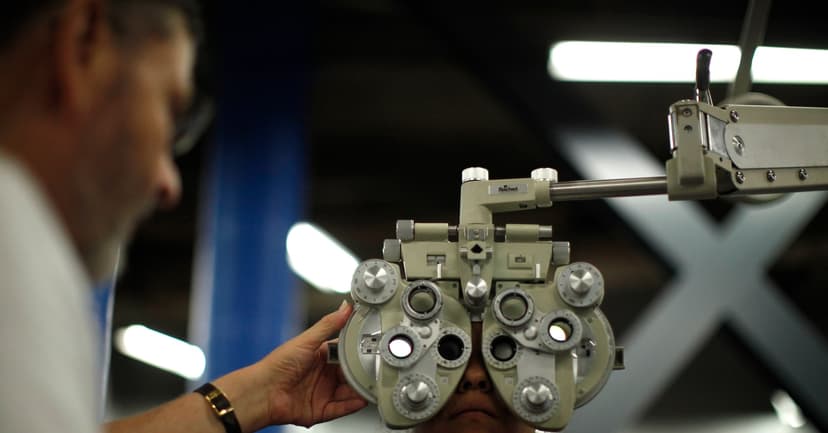
Viridian Therapeutics announced on March 30, 2026, that its experimental drug, elegrobart, successfully met the main objective in a pivotal late-stage clinical trial for patients with active thyroid eye disease (TED). TED is an autoimmune condition causing inflammation and fat expansion behind the eyes, leading to symptoms like bulging, pain, redness, and double vision.
Despite the positive trial results, Viridian's stock experienced a significant 36% decline in premarket trading. Analysts noted that while the drug met its primary goal, its efficacy rates for reducing eye bulging and double vision fell below market expectations. The company reported placebo-adjusted proptosis response rates between 36% and 45%, which were lower than the anticipated over 50%.
The injectable drug, elegrobart, was administered to 132 patients on either a four-week or eight-week dosing schedule, or a placebo. At 24 weeks, the four-week schedule showed a 54% improvement in eye bulging compared to 18% for placebo, and a 71% response rate for double vision versus 32% for placebo. The eight-week regimen also demonstrated superiority over placebo.
Viridian's CEO expressed confidence in elegrobart's potential, highlighting the opportunity for an at-home, self-administered treatment. The company anticipates submitting a U.S. biologics license application for elegrobart in the first quarter of 2027. Currently, Amgen's Tepezza, approved in January 2020, is the only available therapy for TED in the United States.
