Home / Health / Vertigo Episodes: Causes and Duration
Vertigo Episodes: Causes and Duration
3 Oct
Summary
- Vertigo duration varies widely based on its underlying cause.
- Positional maneuvers can quickly resolve BPPV vertigo symptoms.
- Seek medical help for vertigo with vision, speech, or weakness.
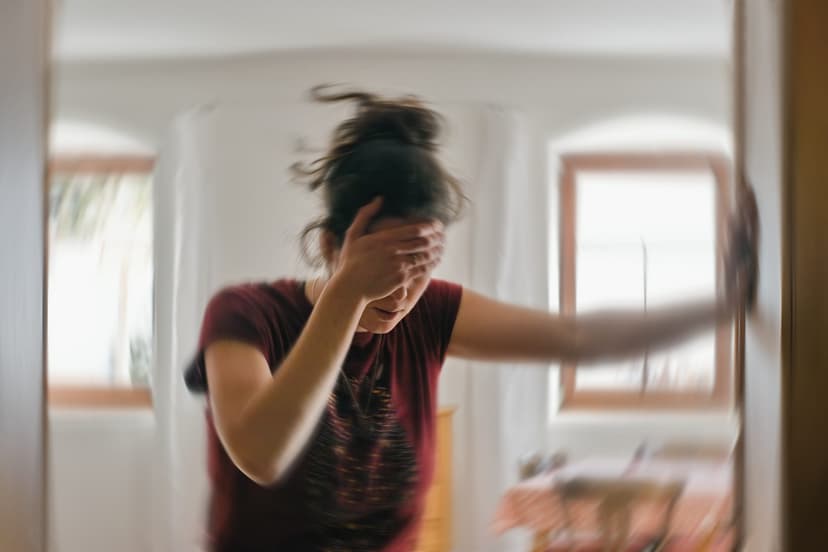
The duration of vertigo episodes is intrinsically linked to their underlying cause, with some conditions resolving in a few sessions and others necessitating weeks or months of rehabilitation. Vertigo related to Meniere's disease can persist for 20 minutes to 12 hours, while other causes might last seconds to days. It's important to distinguish true vertigo from other types of dizziness.
Certain vertigo causes, like Benign Paroxysmal Positional Vertigo (BPPV), can often be swiftly resolved through specific positional repositioning maneuvers performed by a physical therapist. These techniques help guide displaced inner-ear crystals back to their proper location, sometimes leading to symptom resolution within one to a few treatment sessions.
However, conditions such as vestibular migraine, vestibular neuritis, or Persistent Postural-Perceptual Dizziness (PPPD) may not respond as readily to quick interventions. These often require more comprehensive treatment approaches, including vestibular rehabilitation, migraine management, habituation exercises, or therapies targeting the specific root cause.
Individuals experiencing vertigo should be aware of warning signs that may indicate a more serious underlying issue. These critical symptoms include changes in vision or speech, drop attacks, numbness, involuntary eye movements (nystagmus), nausea, hearing loss, one-sided weakness, sudden severe headaches, or loss of consciousness. In such cases, immediate medical attention is essential. Patients are advised against driving or operating machinery and to avoid alcohol during episodes.


