
Home / Health / TB Outbreaks Surge: US Faces Persistent Transmission Risks
TB Outbreaks Surge: US Faces Persistent Transmission Risks
3 May
Summary
- Large TB outbreaks in the US have doubled over a recent seven-year period.
- US-born individuals are disproportionately affected by these TB outbreaks.
- Children and young adults face significantly higher risks in TB outbreaks.
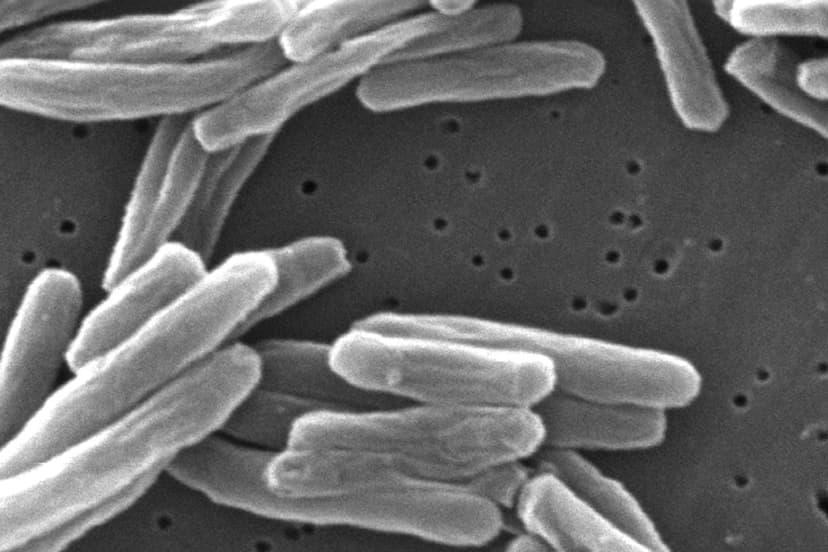
Large tuberculosis outbreaks in the United States have significantly increased, with 50 identified in 23 states over a recent seven-year period, up from 24 in the prior period. These outbreaks account for over a thousand cases, signaling ongoing transmission, particularly in close-contact settings.
Notably, nearly 80 percent of individuals in these large outbreaks were U.S.-born, a stark contrast to the broader TB population. They were also more likely to experience substance use, homelessness, or incarceration, factors complicating treatment and increasing exposure risk. Children and younger adults were disproportionately affected.
Outbreaks frequently spread within family and social networks, including private homes and gatherings, as well as congregate settings like workplaces and shelters. The geographic spread highlights local vulnerabilities, not just statewide averages, as drivers of transmission risk.
Active TB disease typically develops over weeks, presenting with a persistent cough, chest pain, or coughing up blood. Other symptoms include fever, night sweats, fatigue, and weight loss. While TB is treatable with antibiotics, early detection and expanded genomic surveillance are critical. Public health officials stress the need for sustained investment in local programs and targeted strategies for vulnerable communities to prevent setbacks in TB elimination efforts.
